Hong Kong
There's a lot to see in Hong Kong; you just need three things: money, money, and time…
Just kidding. It's an expensive city, but most activities are free or very cheap (thank goodness…).
ARRIVING AT HONG KONG
To get to downtown from the airport—whether you're heading to Kowloon or Hong Kong Island—there are two options: the slower one (bus A21, A11, or A12, 33–50 HK$, 45–60 minutes) or the faster one (by train, just 24 minutes to the Central MTR station, 100 HK$).
Right as you exit the baggage claim area, there is a tourist information desk—the staff there are very friendly, they give you a good map, and they speak English—and a kiosk where you can buy the Octopus Card (http://www.octopus.com.hk/home/en/index.html) a rechargeable card for the subway, bus, stores (such as 7-Eleven), etc....
Buying that card is more of a necessity than a luxury; you'll pay 150 HK$, 50 of which is a “deposit” that you can get back by returning the card when you leave Hong Kong –
The Hong Kong Special Administrative Region is divided into four parts: Hong Kong Island, Kowloon, the New Territories, and the adjacent islands

You're going to get sick of taking the subway, so I'd better leave a map of it here...

WHAT TO SEE IN HONG KONG: THE MODERN KOWLOON
How did Kowloon come into being, and how did it evolve into the modern neighborhood filled with skyscrapers and luxury shopping centers?
The name “Kowloon” literally means «“Nine Dragons” in Cantonese (Gau Lung).
In the year 1278, the young Emperor Bing (only seven years old) and the court of the Song Dynasty were fleeing south to escape the Mongol invaders. Upon reaching the Hong Kong Peninsula, the boy gazed at the mountainous landscape surrounding the plain and counted eight distinct hills. Enthusiastically, the young emperor exclaimed that those hills looked like “eight dragons.” Immediately, a shrewd member of his court, wanting to curry favor with the royal family and employing a bit of political flattery, quickly corrected him, saying: “No, my lord! Actually, there are nine, because a Chinese emperor is also a living dragon.”
From there, bolstered by the British presence on the nearby island of Hong Kong, it gradually grew into the metropolis it is today.
Markets, markets, and more markets
If you enjoy strolling and browsing through markets, you're in for a treat in Kowloon: there are many, varied, and authentic ones.
Let's take a tour of a few of them:

Let's start with the first one: El Flower Market
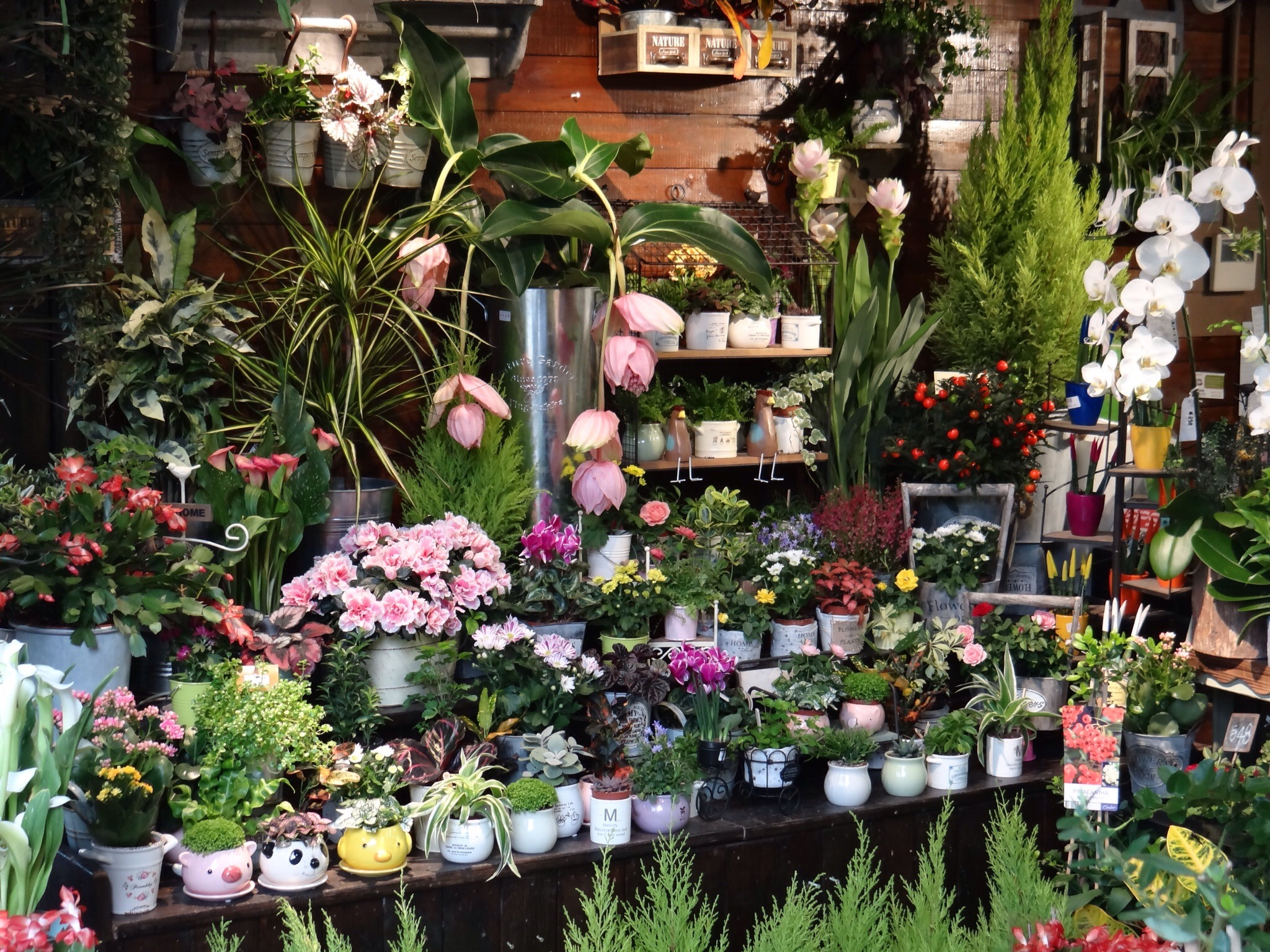
Flowers were already being sold long ago in the small village of Mong Kok; little by little, what is now Hong Kong grew until it absorbed the village, but the market continued to operate in the shadow of the hideous stadium they built next to it.
Seeds, bouquets of all kinds and prices, plant accessories… anything you can think of, all within the small space of a single street.
But, oddly enough, the best part isn't the flowers…
The bouquets are handcrafted right in the stores, in full view of the public: you can watch several young women painstakingly remove the outer petals from a rose until it’s perfectly shaped, and then carefully trim and tie the stems… everything is done perfectly and rhythmically, as if it were a tea ceremony…
El Bird Market
If you keep walking down Flower Market Street to the end, you’ll come across the cheerful chaos of the Bird Market; yes, you can see all kinds of birds, from the tiniest ones to the typical parrots that, living in a semi-free state, gather to chatter under the unconcerned gaze of their owner
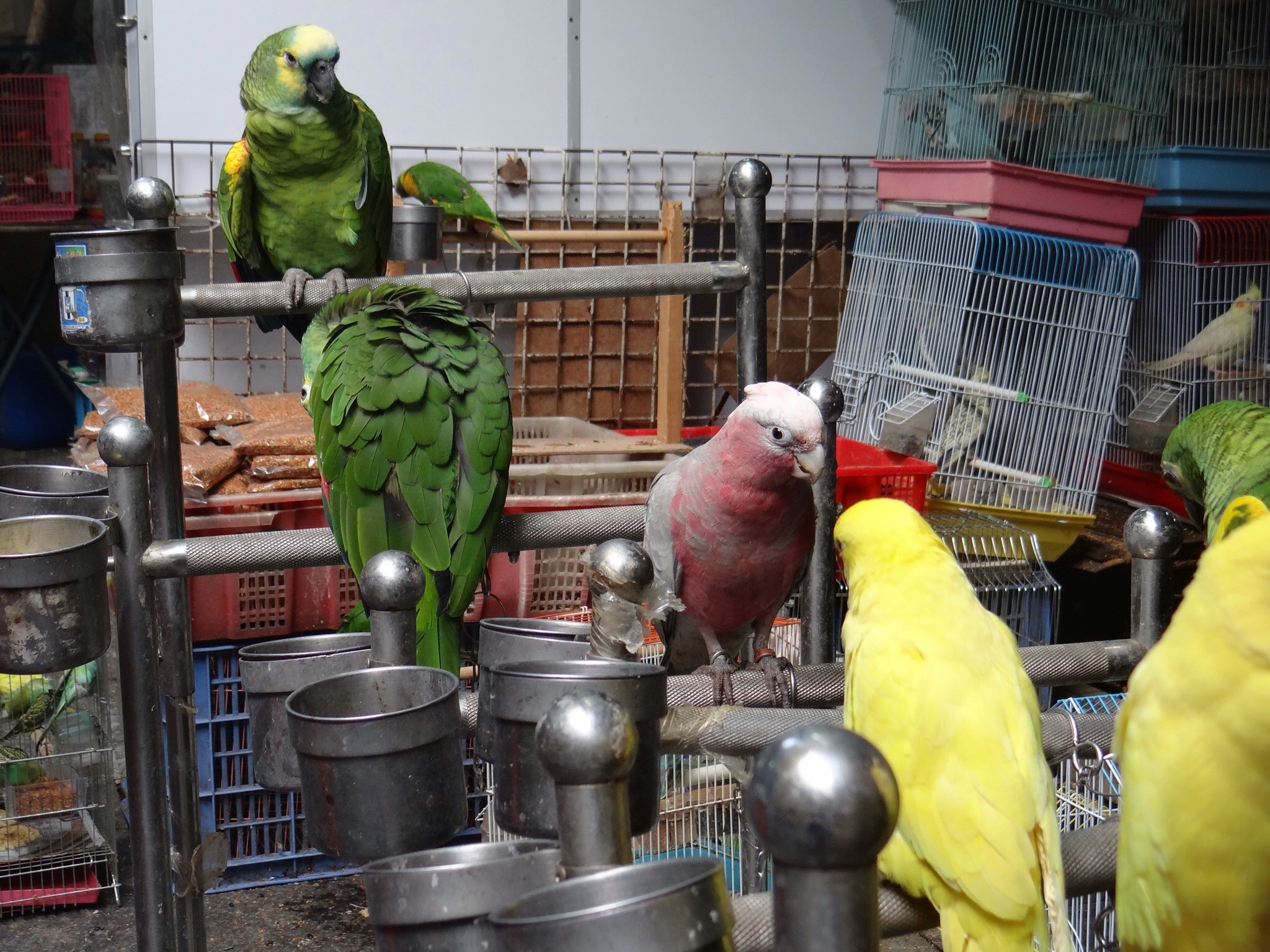
But this market doesn't just sell parrots. There are also other kinds of animals that are sold in a… special format, so to speak.
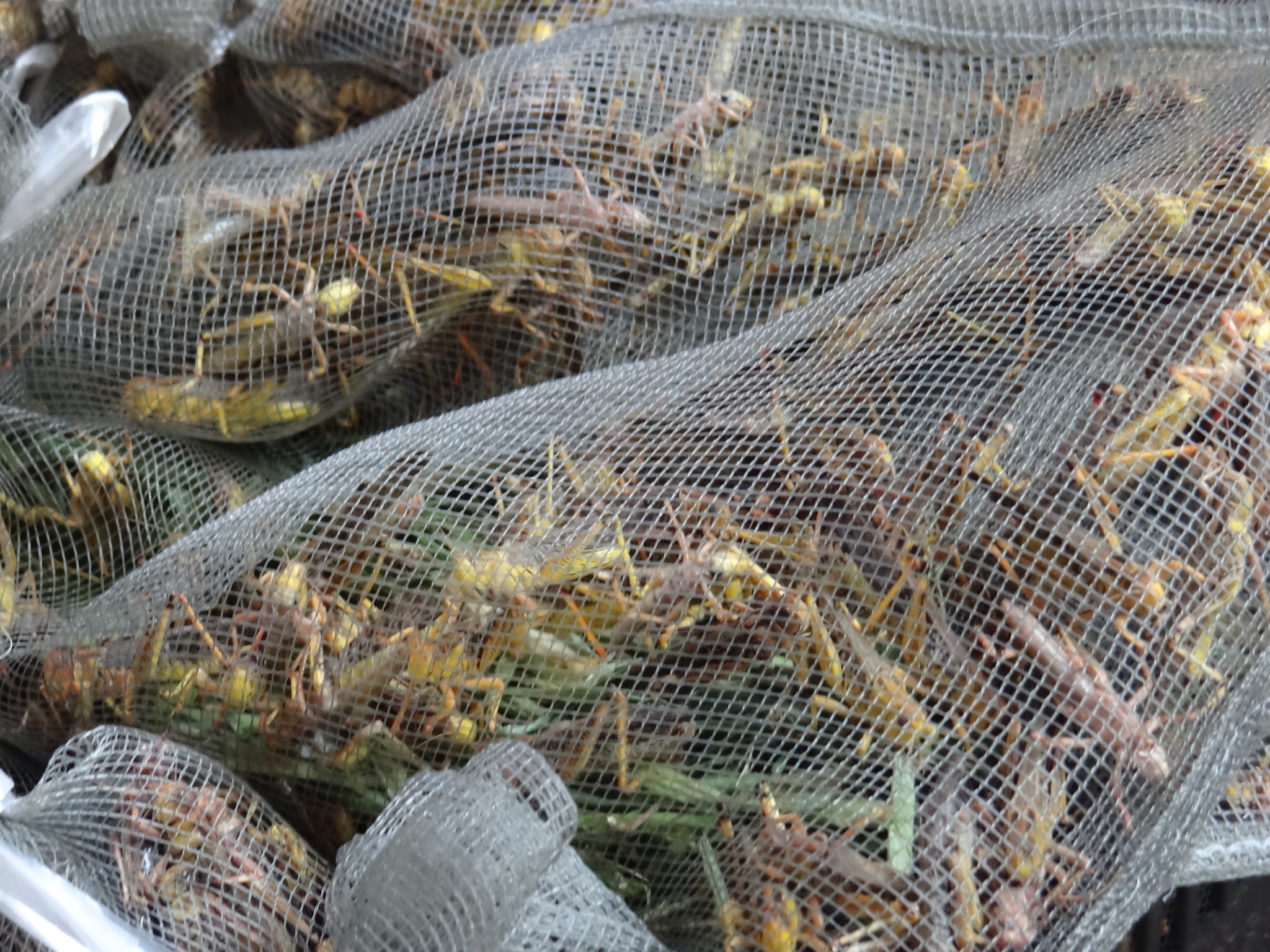
All of this is accompanied by the hustle and bustle of birdsong, chirping, the scent of birds, and the vendors typical of the trade: cages, handmade bird bowls, and whatever else you can think of
To get to both markets, take the Prince Edward subway station and exit through Exit B1; from there, the path is marked with arrows
Nearby, the Goldfish Market It'll blow your mind: dozens of small plastic cages containing an endless variety of fish, from the familiar ones to the most exotic

I can't help but mention Hong Kong's quintessential flea market: the Ladies Market (Tung Choi Street, Mong Kok subway station).
On the former site of a vegetable market (in fact, the street, Tung Choi, means “spinach”), this flea market now stands, selling every kind of trinket you can imagine

It's expensive (tourists are the main customers) but a lot of fun; interestingly, there are tons of local restaurants on the sidewalks that aren't touristy at all and are very cheap—although everything is in Chinese 😬
The neighborhood you're in right now is also known as a mecca for used cell phones and their accessories: you can find just about anything related to them here... and remember: if there's no price tag, haggle!

And of course, no trip to Hong Kong would be complete without a Night Market: Temple Street (Yau Ma Tei MTR station) offers visitors all kinds of cell phone-related items—a veritable plague in Hong Kong—as well as cheap clothing and typical tourist trinkets.
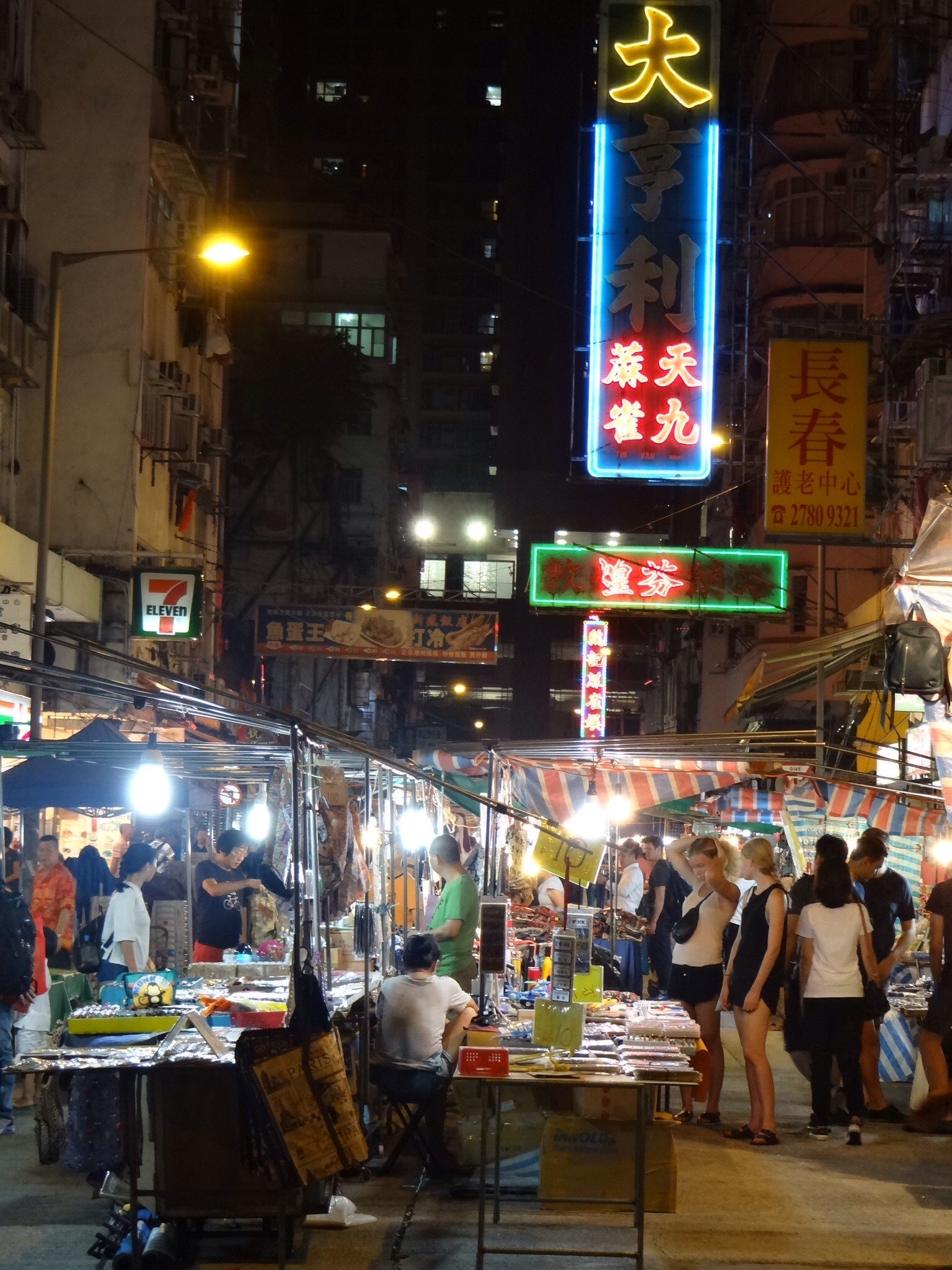
On the sidewalks, there are these seedy Chinese restaurants: signs in Chinese, a narrow doorway through which you can see smoke billowing from the kitchen as you elbow your way through the crowd to find a table in a space measuring 50 square meters…. You absolutely must eat here at least once, mingling with the hustle and bustle of the locals.
Museums, museums, and more museums
You should add a museum or two to your bucket list of attractions to see in Hong Kong.
There are so many museums in Hong Kong that visiting them all could kill you from an overdose…
Anyone who wants to get a sense of how a small fishing port has become a megalopolis today can visit the History Museum (http://hk.history.museum/en_US/web/mh/index.html); it's free, there are guided tours in English, and it does a great job of explaining the city's history
Relax
Relaxing During the Day: Whenever you want to escape the hustle and bustle of the big city without leaving the big city, you can relax in the shade provided by the incredible Complejo de Chi Lin Nunnery, a monastery for Buddhist nuns
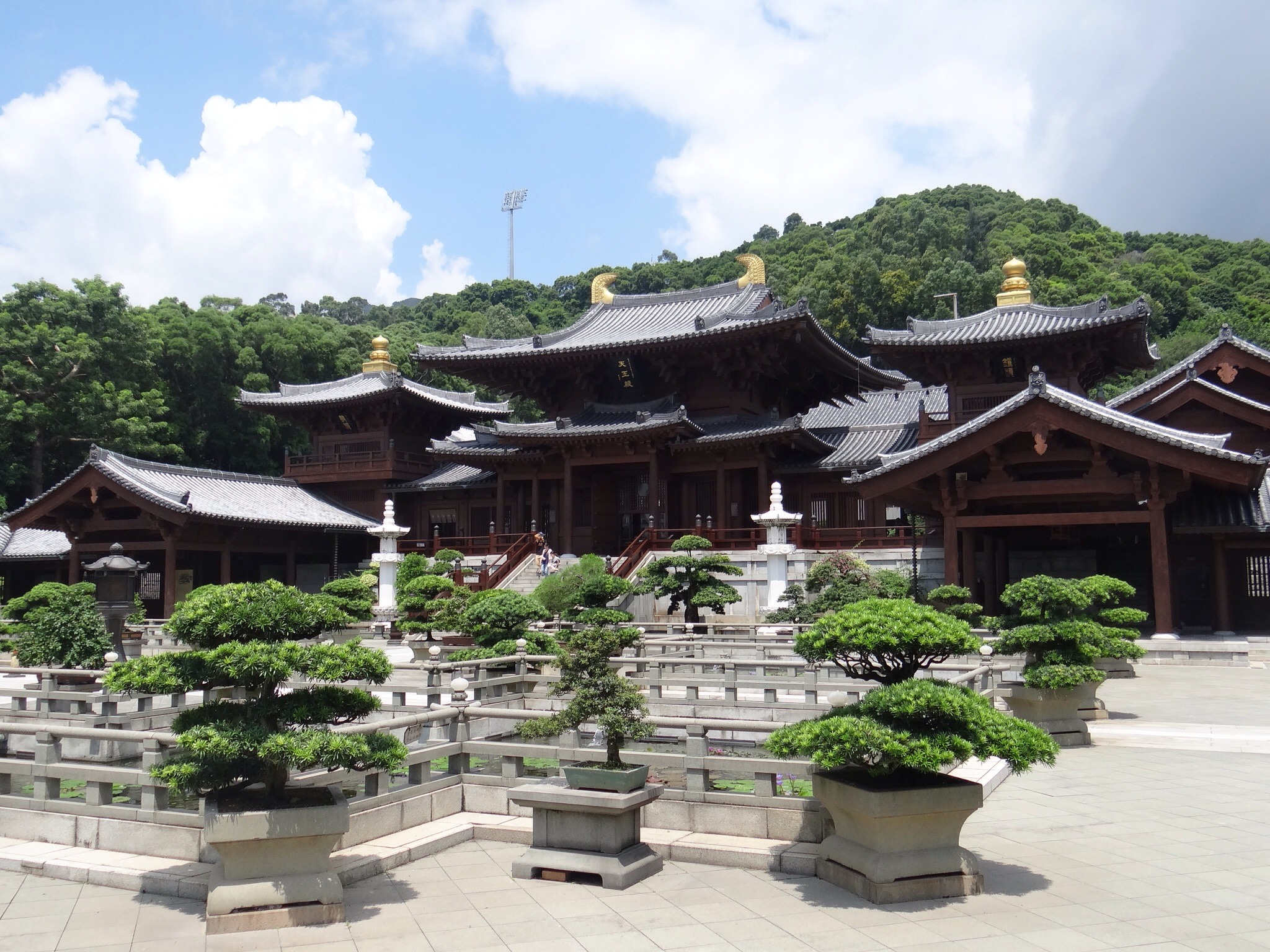
It began as an exclusive spiritual retreat for Buddhist nuns. Later, during World War II and the decades that followed, the monastery opened its doors to shelter refugees, orphans, and the elderly who were fleeing the instability in mainland China.
Fountains, lotus ponds, a small museum of rocks and minerals… and the interior of the monastery, where photography isn't allowed but which is definitely worth seeing
What do you mean, you haven't relaxed yet? Then try the spectacular climb up to the 10.000 Buddhas Temple (Sha Tin MRT station).
First, you have to make your way up a hill to reach the temple itself.
Although it's a bit steep, you won't lack for moral support: dozens and dozens of golden monks will cheer you on every step of the way ☺️

Once you're up there, you won't feel alone either. In the main hall, 12,800 Buddhas are lined up, and not a single one is exactly like another… It's an amazing feeling to be here; too bad they don't let you take pictures…
The rest of the resort is huge (20 acres), very peaceful and quiet…! Relaxation guaranteed!

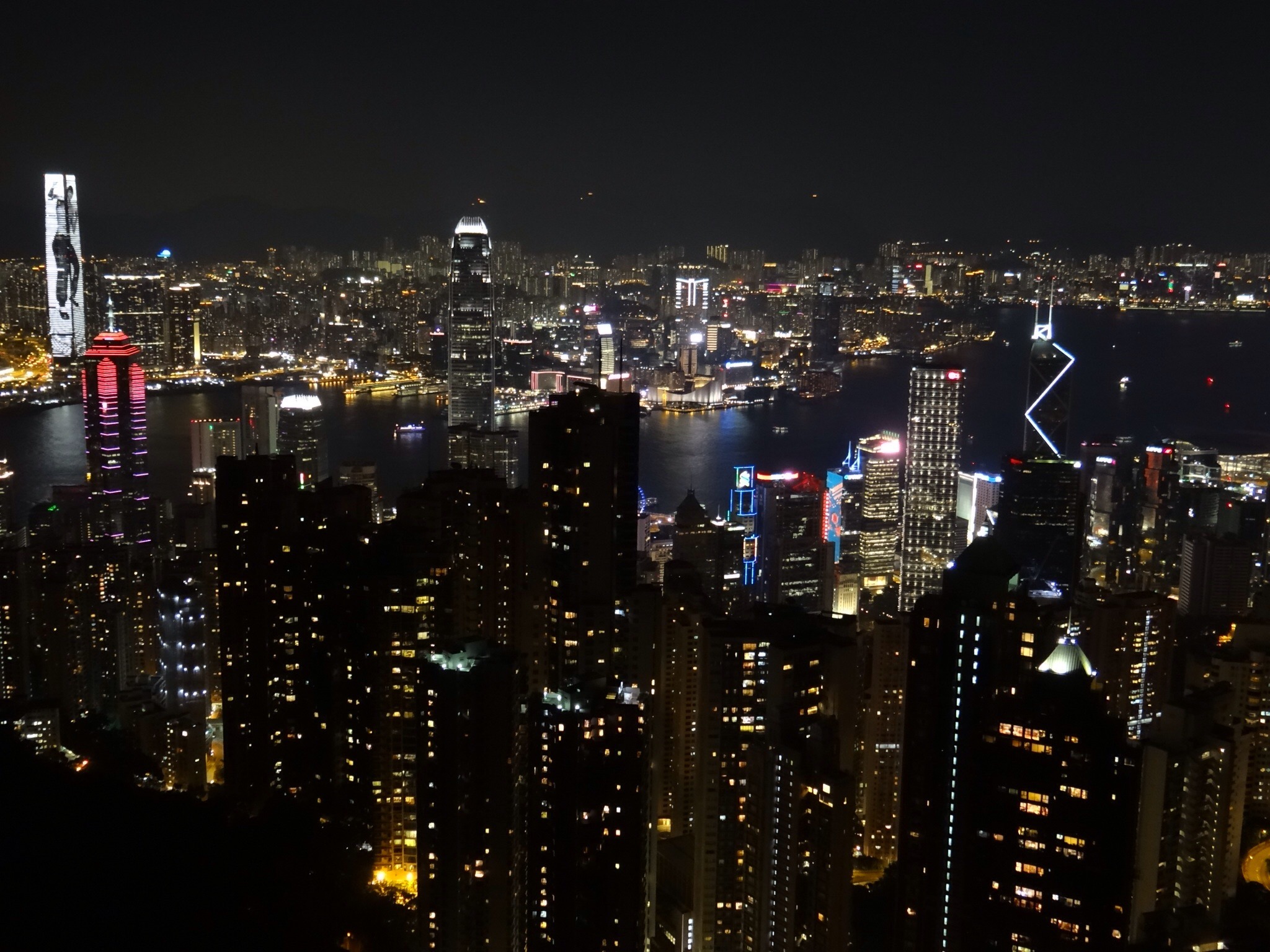
Relaxing by night: When the sun goes down, Hong Kong really comes alive. The buildings, which had been dormant until then, regain their energy and put on their finest display, strutting their stuff in the night…


The photo was taken at the Tsim Sha Tsui Promenade (the pier, right across from Hong Kong Island and behind the art museum).
If you really want to enjoy a special moment, DON'T come between 7:30 and 8:30 p.m.; at 8:00 p.m., a light show starts and the place gets packed to the brim… and to be honest, it's not all that great anyway…
It's much better to go to the IFC Mal(Hong Kong MTR or Central), a skyscraper-shopping mall with a public terrace on the fourth floor offering fantastic views.
The “special moment” I mentioned above is going to cost you a lot of time and money: enjoying the skyline at the la Peak ToweAt night, it costs 88 HK$ and takes about 45–60 minutes to wait in line; but once you get to the top and look out from the tower’s terrace… that’s truly unforgettable
WHAT TO SEE IN HONG KONG: HONG KONG ISLAND
In the early 19th century, the island was inhabited by only a few thousand fishermen, subsistence farmers, and pirates who took refuge in its bays. To the Chinese Qing Dynasty, the island was of no value.
However, the British Empire set its sights on it because of its deep-water harbor, which was ideal for its merchant and warships. After defeating China in the First Opium War, the British demanded the cession of the island of Hong Kong in the Treaty of Nanking (1842).
When news of the acquisition reached London, the British government was not exactly pleased. The foreign minister at the time, Lord Palmerston, was furious upon learning of the terms of the treaty. He immediately dismissed the diplomat who had negotiated it (Charles Elliot) and wrote him a furious letter that has gone down in history, complaining that the envoy had agreed to trade the empire’s future for “a barren rock with barely a house on it.” Today, that “barren rock” has the most expensive residential square meter on Earth…..
I'm going to show you another short route around here

Hollywood Rd
What are some of the most authentic, most… “Chinese” things to see in Hong Kong?
Well then, let's set out to walk the short stretch between the Central and Sai Ying Pung subway stations.
It is the heart of the city—the neighborhood that the Chinese first settled in and from which their trade expanded; it is no wonder that the very Hollywood Rd It's also called Antiques Rd—it's full of antique shops and jade stores... but it's only for the wealthy 😁
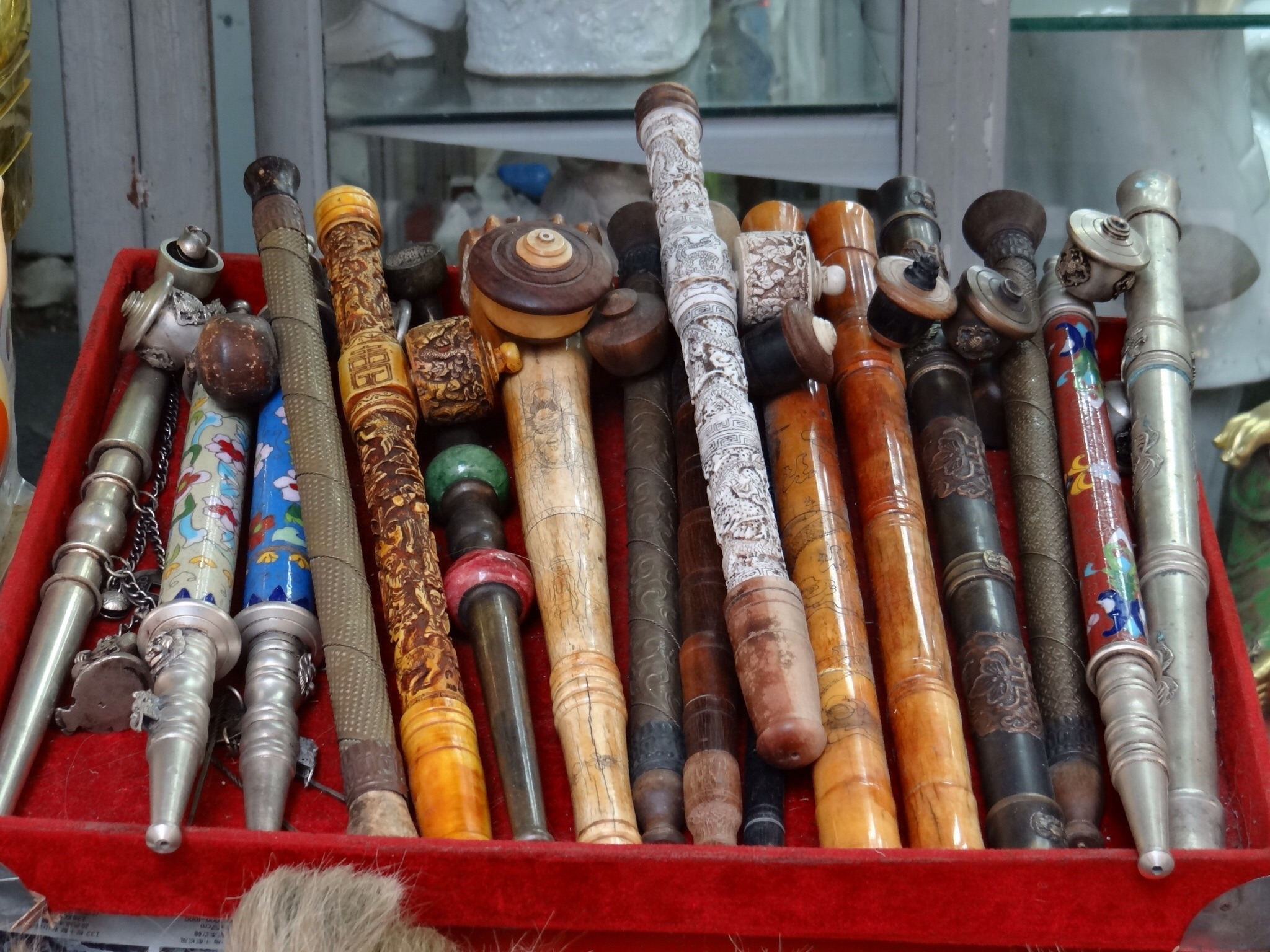
For those on a tighter budget, there is another option that runs parallel to the previous one, just below it: the la Cat St, a lively flea market selling Chinese goods, full of fun and quirky items—like pipes for smoking a little opium….
But these Chinese ancestors weren't just traders.
They quickly built a temple that served both as a place of worship and as a “town hall” or meeting hall for discussing community matters: it is Man Mo Temple
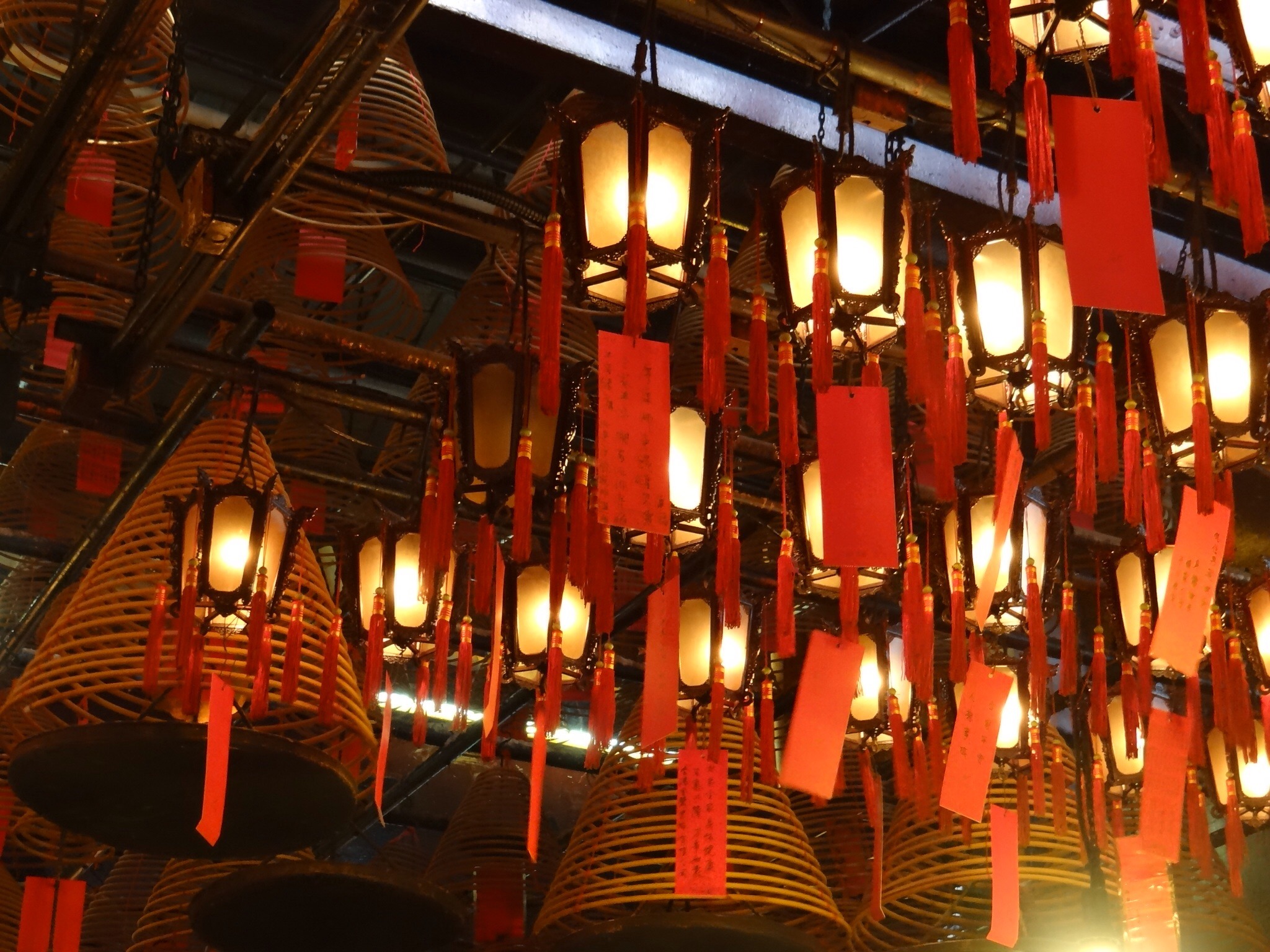
Small, squat, and shrouded in mystery, it must have been quite a sight to see the neighbors crammed inside among the statues of their gods and the sticks of incense…
The next thing the fledgling Chinese community did was to build a hospital: the Tung Wah Hospital, which still exists today. The Chinese are so committed to their traditions that the donation—the admission fee—that you voluntarily pay to enter the temple goes to this hospital.
And alongside religion, superstition.
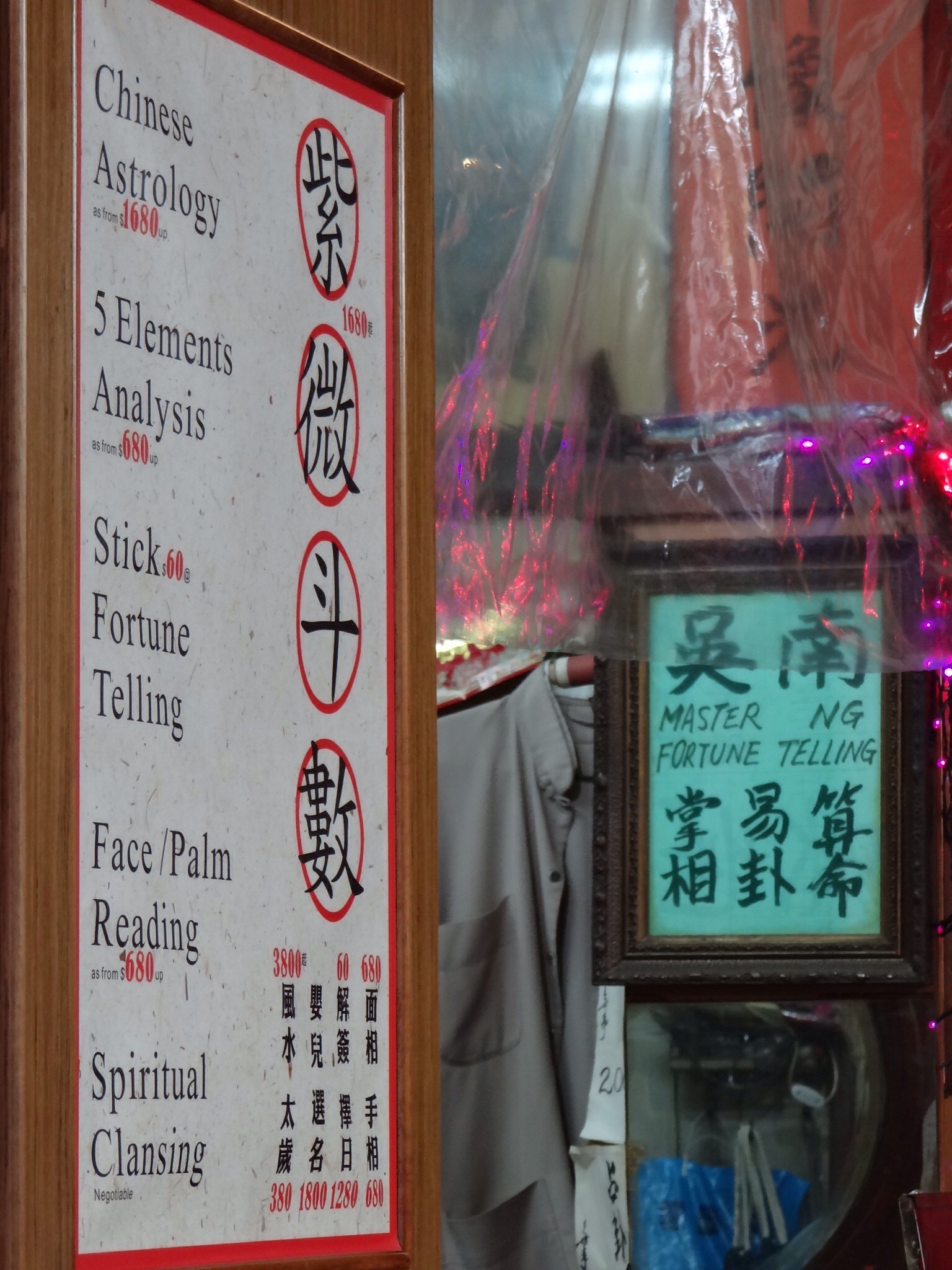
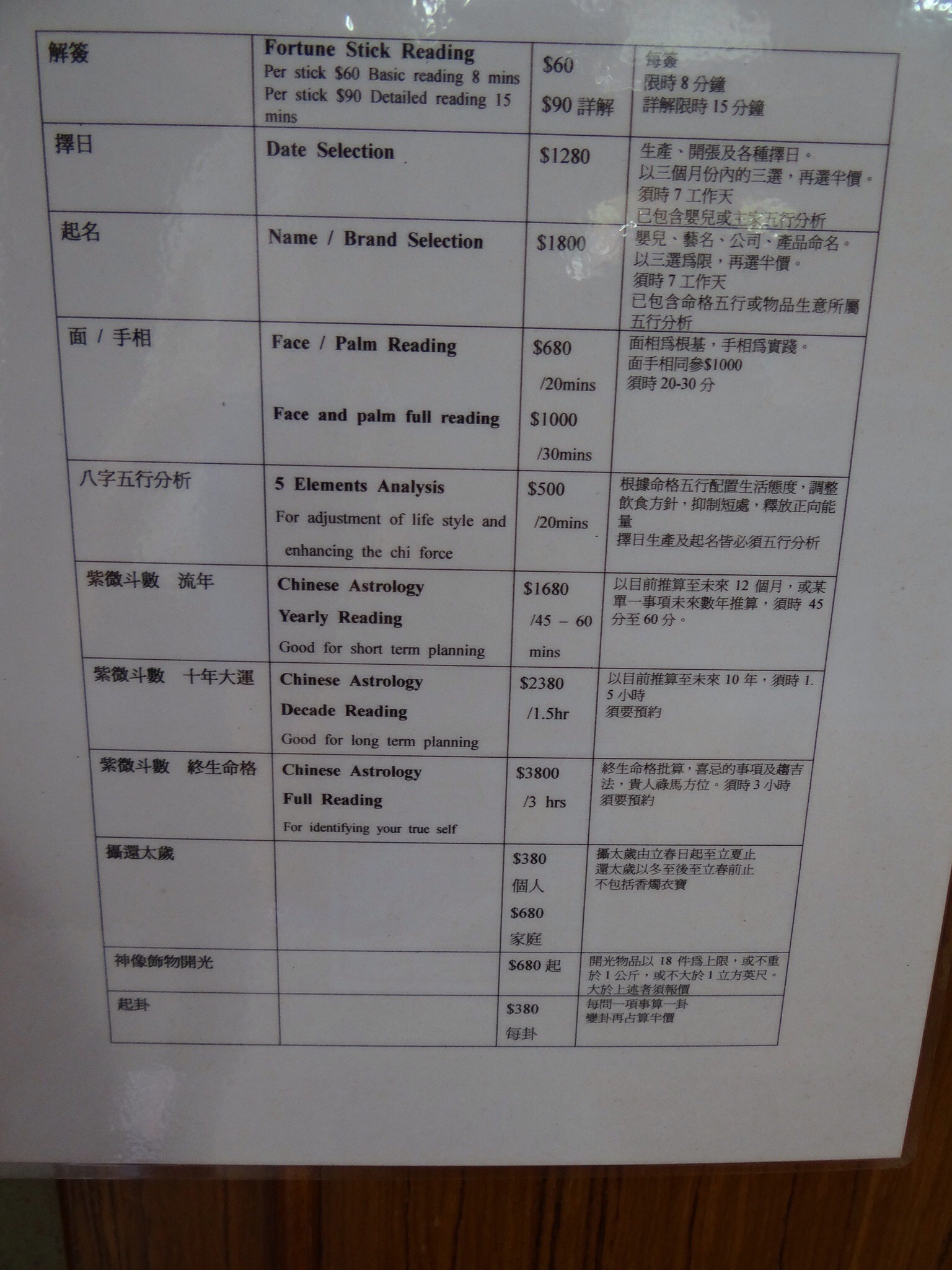
A man has set up a “consulting office” to read the future; unlike the ones you’ll find near the Night Market, this gentleman has an impressive “resume” hanging in his office—no joke—with several degrees related to divination—and a very professional price list—with him, there’s no haggling whatsoever.
WHAT TO SEE IN HONG KONG: THE NEW TERRITORIES
The northernmost part of Hong Kong is characterized first by its natural beauty and second by its rustic charm: the megalopolis gives way to small, charming villages….
For anyone who wants to go hiking, there are countless trails of all kinds and difficulty levels—it’s impossible to list them all….
I recommend the Tai Long Wa hiking trail: First, you have to get to a small town (by Chinese standards) called Sai Kung, which serves as the departure point for numerous ferries to the peninsula’s many beaches and where you can enjoy some excellent seafood.
How do I get there?
Go to the Choing Hu subway station, and from there, buses 92 or 96 will take you to Sai Kung in about 30 minutes
Once you get there, take a minibus that drops you off on the road where the trail begins (! You have to tell the driver to stop there !), and after 90 minutes of hiking up and down the hill, you’ll find four incredible beaches where you can relax

And I dont recommend Lung Yeuk Tau Heritage Trail Even though some guidebooks rave about it: you're supposed to walk along a beautiful trail, enjoying the view of restored and preserved ancient Chinese buildings for about 5 km
It's a half-truth: you're not walking along any nature trail, but through a suburb of Hong Kong.
It’s also a bit sad to see how a beautiful part of China’s historical heritage has been left virtually neglected (it wasn’t until the 1990s that efforts began to protect the buildings along the trail); modern structures have marred the ancient walls, buildings, and other sites, and it’s almost impossible to ignore them while visiting.
THE ISLANDS
Beaches, hiking, street food…you can't leave Hong Kong without visiting one of its islands
For example, you can go to Cheung Chau

Decent beaches—though don’t expect the Caribbean—very easy hiking, and, above all, exceptional food: all kinds of fish balls, sweets, rice buns… perfect for stuffing yourself on a budget and having fun
Okay, we've had enough of things to see in Hong Kong... How about we go to Macau or mainland China...?
LEAVING HONG KONG
If you want to go to Macau, remember that you'll need to bring your passport (even without a Chinese visa), since it's a separate administrative region from Macau.
Here's a post about Macau: https://999millas.net/category/paises/china/macao/
And if you want to “enter” China via train stations, you’ll go through a check-in process similar to that at airports: before boarding the train, the police will make sure your visa is in order, in addition to the typical airport security screenings; you must arrive at the station at least 30 minutes before the train departs.
In short, you can spend practically a whole week in Hong Kong and do something different every day… if you have enough money 😁
If you want to read more about China: https://999millas.net/category/paises/china/
Whether you found it useful or thought it was awful, don't hesitate to let me know in the comments!!!!
Texto y fotos : Mike !
 EN
EN  ES
ES