
Cuenca
What to see in Cuenca? It’s the colonial gem of southern Ecuador—stately and traditional—and there are many different things to do (culture, markets, hiking…); here’s a short itinerary for a day trip
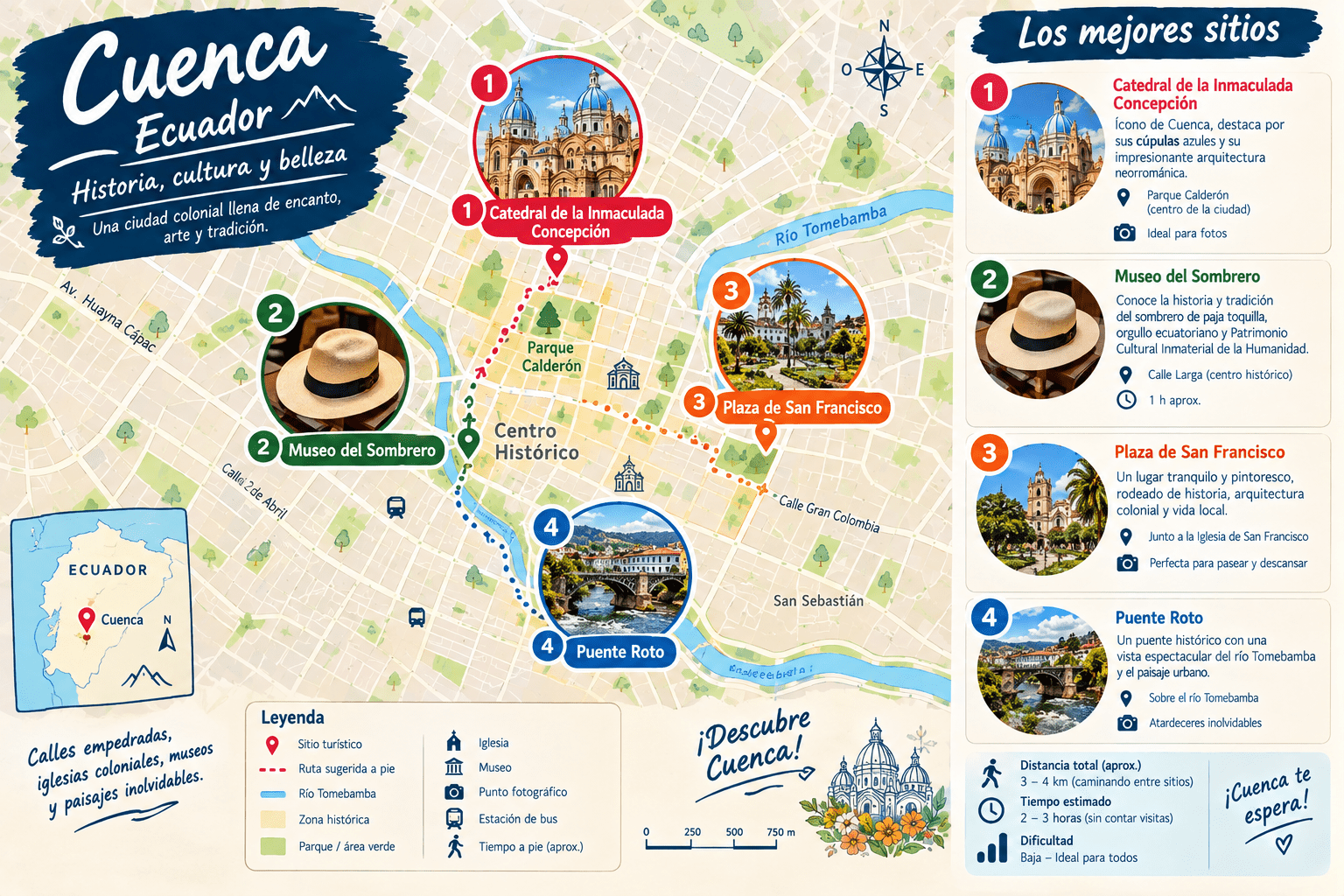
For such an old city (it was founded in 1557), it has a very orderly grid-like layout, which makes it easy to find your way around
El Parque Calderón
Let the fun begin
Without a doubt, all travelers begin their journey here—more specifically, at the brick structure that is the New Cathedral.

For such a large cathedral (it can hold 8,000 people inside), the two towers you see in the photo look… “stunted”… What happened? It seems there was a miscalculation in the building’s foundation. The original design, created by the German Redemptorist friar John Baptist Stiehle, called for two towering Neo-Gothic towers on the main façadel. Sin embargo, a medida que avanzaba la obra, los ingenieros se dieron cuenta de que si construían las torres con la altura y peso planeados, lThe foundations would not be able to support the load, and the entire temple would collapse. For this technical reason (combined with a lack of financial resources), the front towers ended up being just this small structure…
What really are a sight to behold are its iconic blue domes, which you've probably seen on any postcard.

Best of all, you can climb to the top of one of its towers (the Santa Ana Tower) via a staircase with nearly 200 steps (though you can take breaks along the way). Climb to the top and treat yourself to a view of the colonial district from above…

The entrance to the Santa Ana Tower of the Cathedral is through the gate on Santa Ana Street, after paying the admission fee, and it is open Monday through Saturday from 9:30 a.m. to 12:30 p.m. and in the afternoon from 2:00 p.m. to 7:00 p.m.
Que ver en Cuenca: date un paseo por sus mercados
It's always a pleasure to stroll through the markets of South America, and those in Cuenca were no exception.
Anyone interested in Andean clothing or textiles shouldn't miss a visit to the Plaza de San Francisco. Amid its cheerful chaos, you'll find some very interesting little stalls.
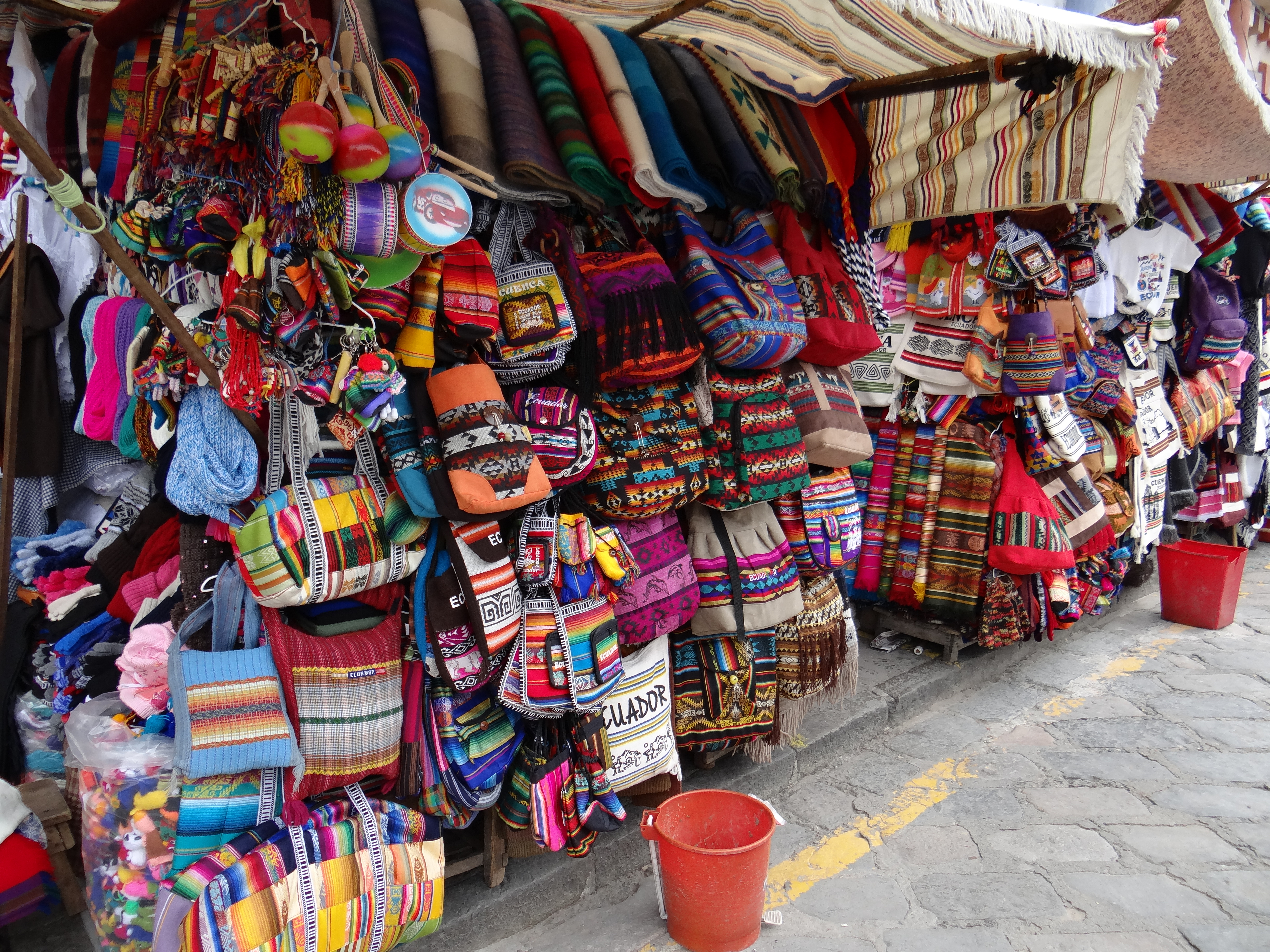
And if you're feeling a little more romantic, you can't miss the small flower market set up at the corner of Mariscal de Sucre and Padre Aguirre streets—practically right next to the cathedral.

Ecuador is the world's second-largest exporter of roses. Ecuadorian roses are considered among the best and are exported to countries as diverse as the Netherlands, Spain, and Canada; in fact, during the Pope's recent visit to Quito, no fewer than 120,000 roses awaited him at the Presidential Palace.
In that same market, locals crowd in front of a small shop with what look like drums containing a reddish liquid. Its unpleasant smell—masked by the scent of nearby roses—doesn’t bode well, and the taste is easily forgettable… So why is this drink so popular?… Well, because it’s supposed to purify your soul. Go figure. You no longer have to go to church, take communion, or go to confession… all you have to do is come here for a drink.
The blog author, however, didn't feel particularly purified or more blessed after consuming it, so his soul will remain as dark as ever….
The Panama Hats
Yes, Panama hats—you read that right…
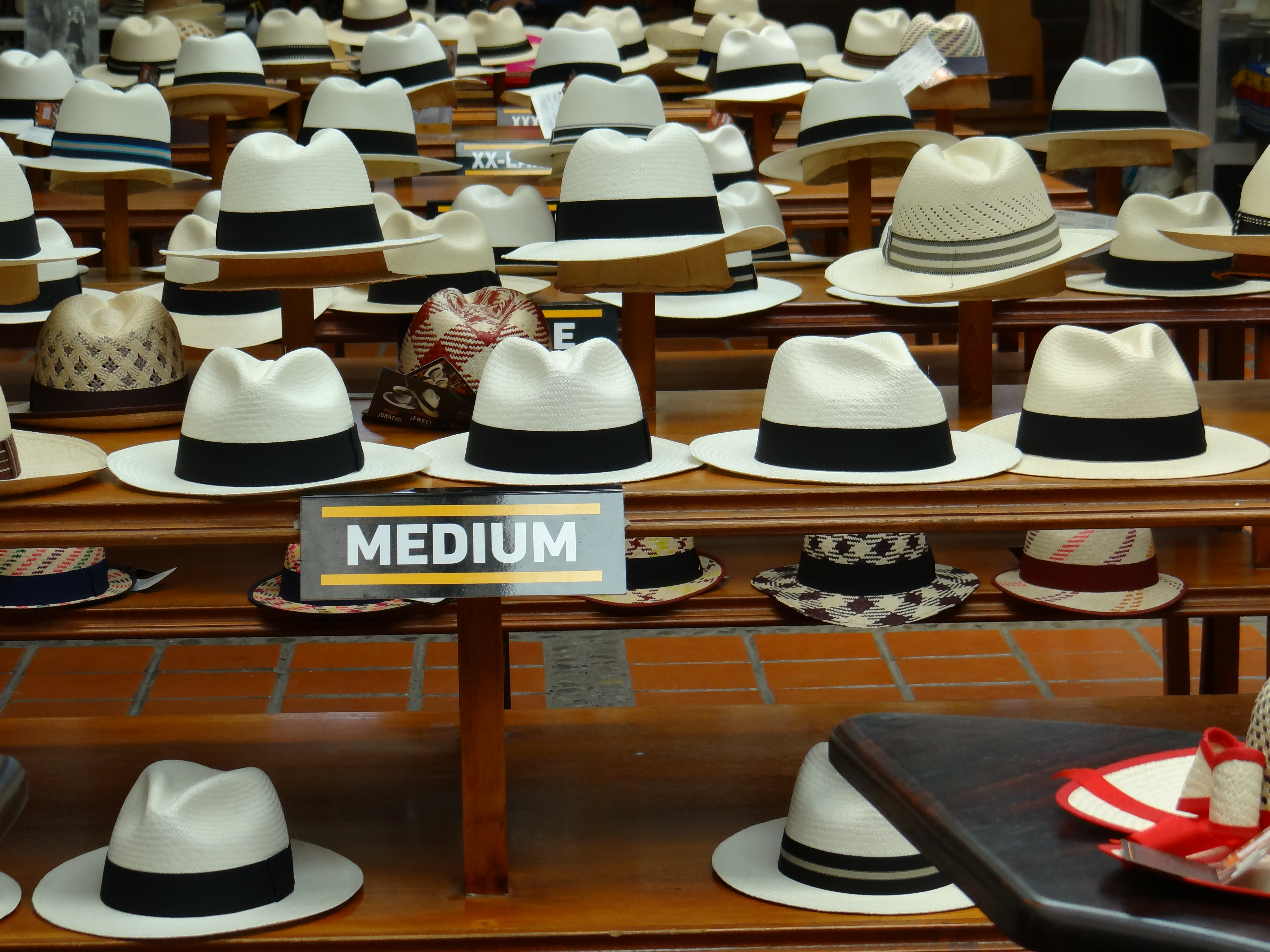
Toquilla straw hats (better known as Panama hats) originated here.
They would later be widely used by workers on the Panama Canal—hence their name—and their most famous wearer was U.S. President Roosevelt. Walking into a hat shop—like the one pictured here on Calle Larga—is like stepping into a time tunnel, where elegance and good taste were on full display from head to toe.

One of the city’s most intriguing spots is its Hat Museum, also located on Calle Larga: Hats of all kinds, the hat-making process, and a small café and observation deck provide the perfect excuse to spend a most enjoyable time there.
Things to Do in Cuenca: Relax Along the Tomebamba River
Tomebamba is an indigenous name that means “slaughterhouse,” but fortunately, in this case, you’ll find nothing but relaxation along the banks of this crystal-clear river; in the afternoons, couples, people with books, or just neighbors in general sprawl out on the grass to do… nothing. The water in Cuenca, which comes from the nearby mountains, is so good that you can drink it straight from the tap—quite a feat in Ecuador…
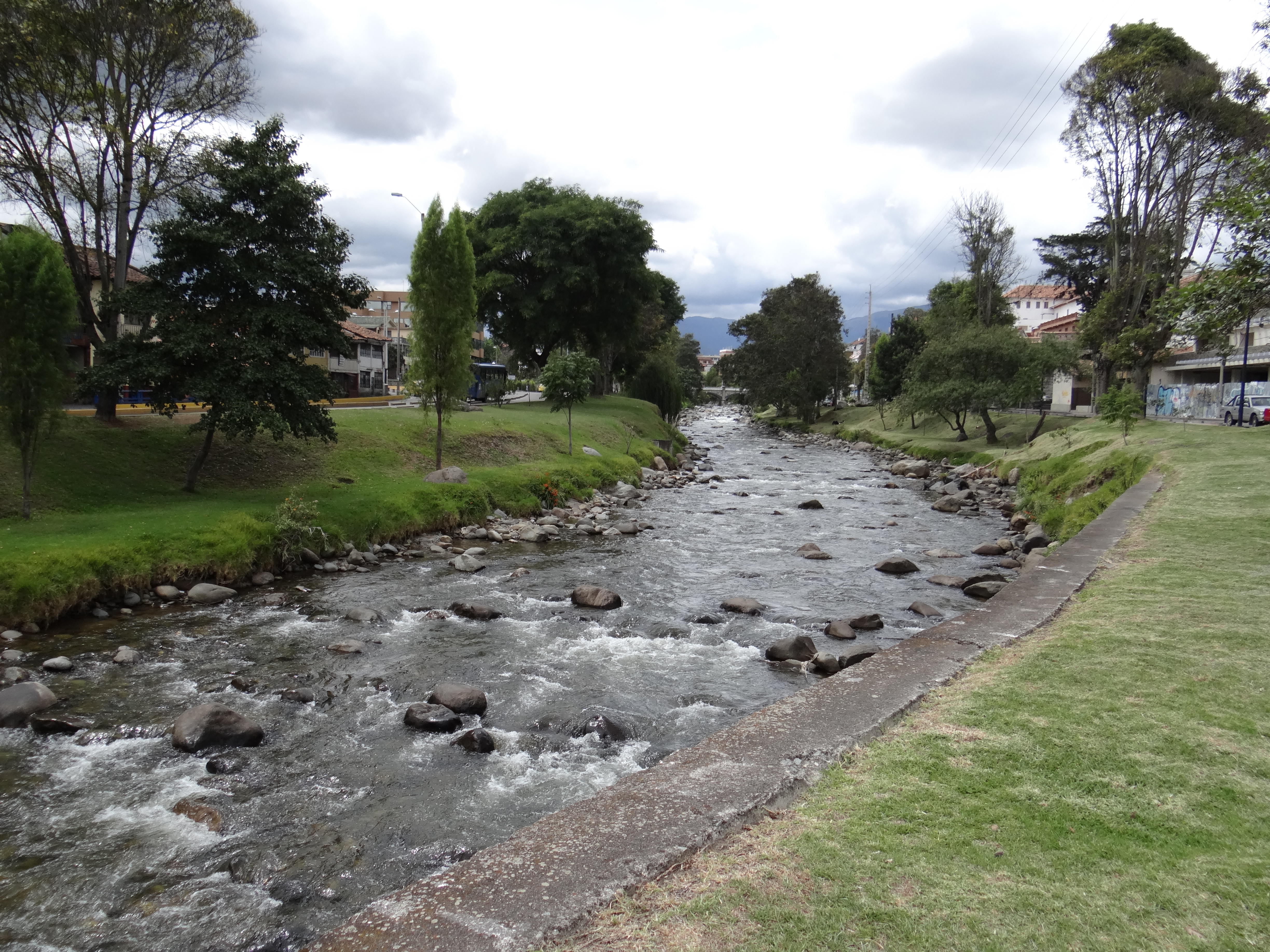
But this beauty has a wilder side—it’s capable of destroying an entire stone bridge if provoked…it’s the Broken Bridge.

Before it was destroyed, the bridge wasn't just a place to cross; it was the epicenter of the city's bohemian scene. Since it was located next to the traditional Todos Santos neighborhood, young people would come there with their guitars to sing romantic serenades to their girlfriends in the moonlight and all that…
…but on April 3, 1950, after days of torrential rain in the mountain range, the Tomebamba River swelled to an enormous and unprecedented level, and the floodwaters swept away 14 of the city’s 16 bridges at the time, including this one.
As I mentioned above, the area near the bridge is the artistic and bohemian one. An interesting walk is to stroll down the street that runs along its northern side (3 de Noviembre), enjoying the street art and resisting the temptation to buy a beer and head down to the river to drink it—something that, it seems, was recently banned…

Then you have to walk up the quintessential “gringo” street (Calle Larga) to enjoy its restaurants and a few bars.
Anyone who wants to enjoy a truly comprehensive free walking tour – the best one I've made in South America so far – I recommend this one:
Belen and Mishelle, our tour guides, will show us what to see in Cuenca with a contagious enthusiasm that’s hard to resist ☺️
Ingapirca
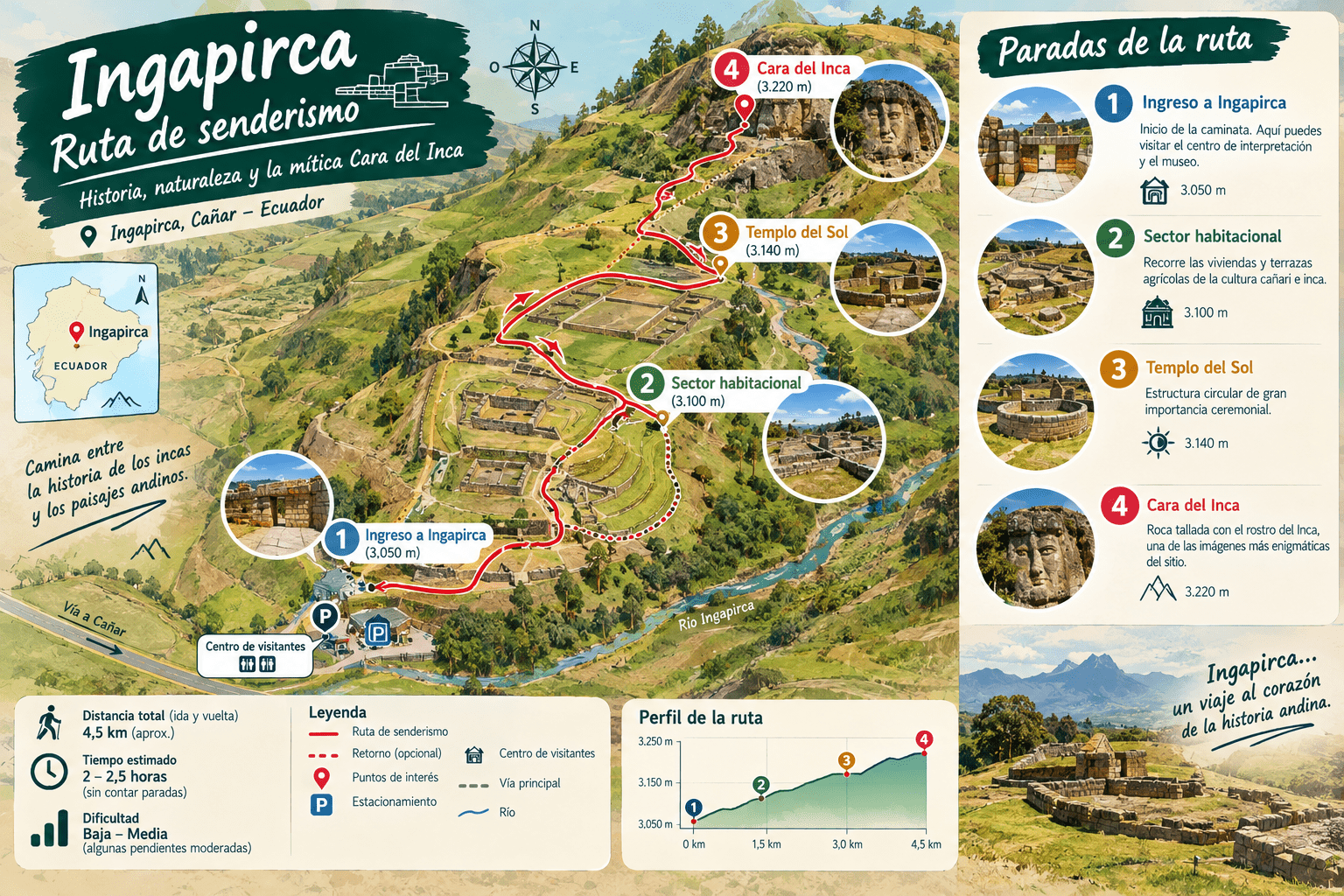
One of the day trips you can take from Cuenca. It might not be worth enduring a two-and-a-half-hour round trip for this excursion, so it’s only recommended for true fans of Inca culture. It’s a hike that will take you from the town to the so-called “Face of the Inca.” Here’s a map of the route
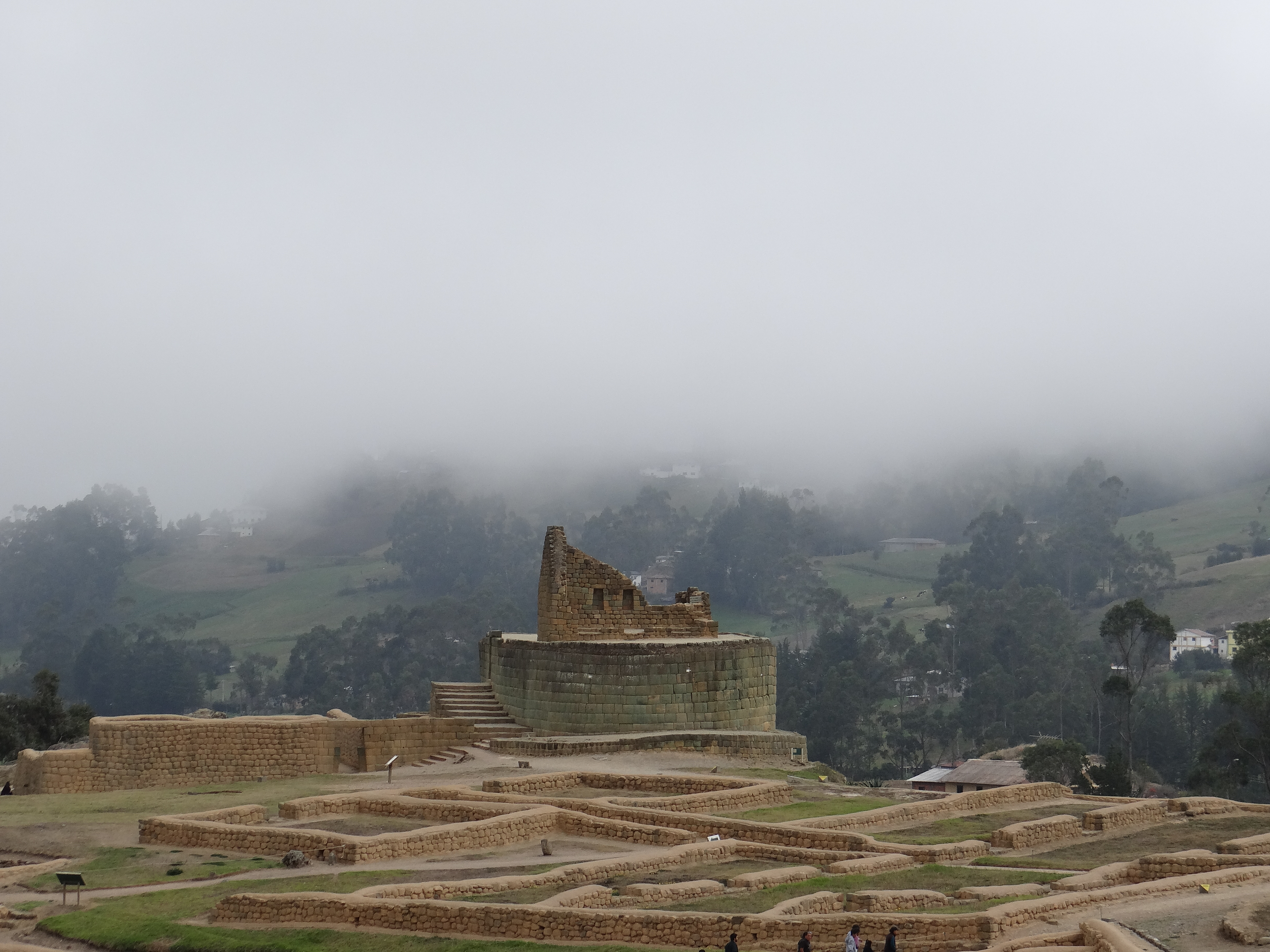
It is an ancient settlement of the Incas, who, after subduing the local tribe (the Cañaris), built a temple dedicated to the Sun with their characteristic mathematical precision: it was perfectly oriented from east to west so that, on the days of the solstices, the sun’s rays fell precisely on niches located at the top of the temple.
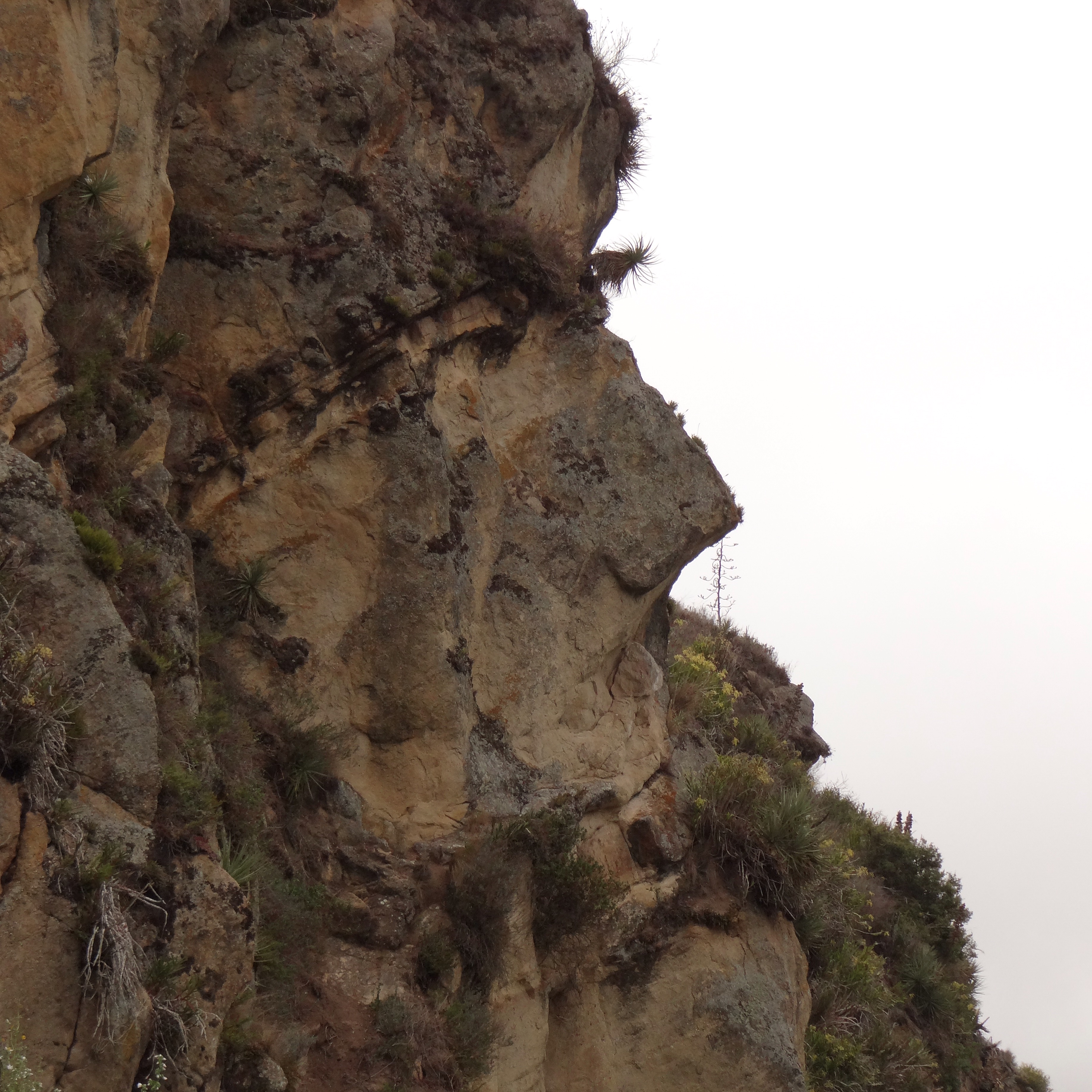
Without wanting to give anything away, here it is at the end of the trail: the Face of the Inca (that guy looks really serious…)
And that's it for now. I hope I've helped you figure out what to see in Cuenca, the perfect city to relax for a few days and enjoy its hidden beauty.
Well, that's all I have to say about Cuenca. Whether you liked this post (or not), let me know by leaving a comment!!
And if you'd like to read more about Ecuador: https://999millas.net/category/paises/ecuador/
Texto y fotos : Mike !
 EN
EN  ES
ES