
Sucre and Potosí, white and silver
Preliminary note: This will be a pretty lackluster post because I passed through both cities too quickly. Even so, this is the impression they left on me
SUCRE
Two cities share the status of Bolivia's capital: La Paz and Sucre
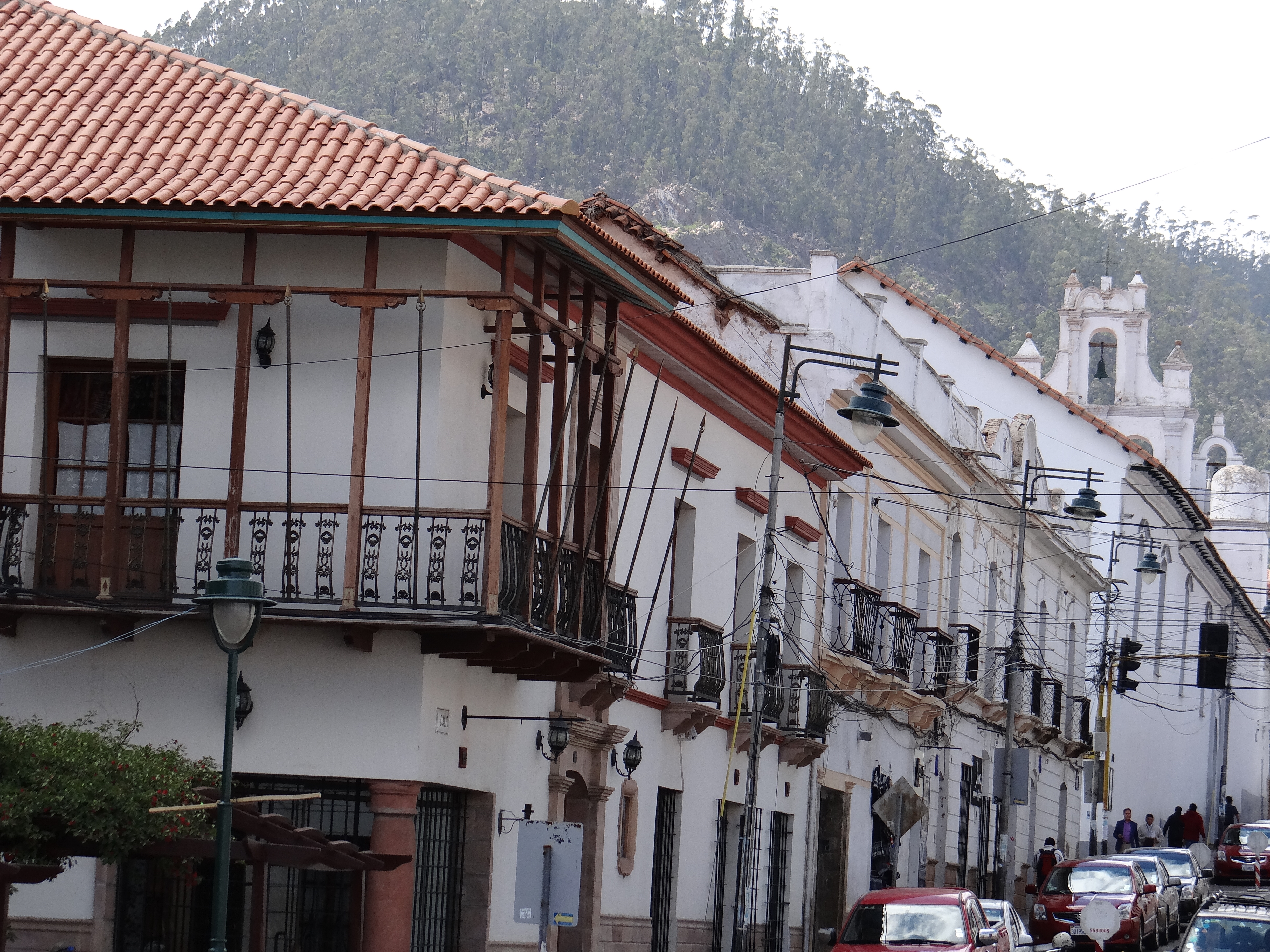
The memory of La Paz brings to mind clouds, pollution, and a sort of gray hue that permeates the people, the buildings, and the atmosphere alike. In contrast, travelers arriving in Sucre are greeted by bright sunshine reflecting off the white—very white—buildings in its historic center.
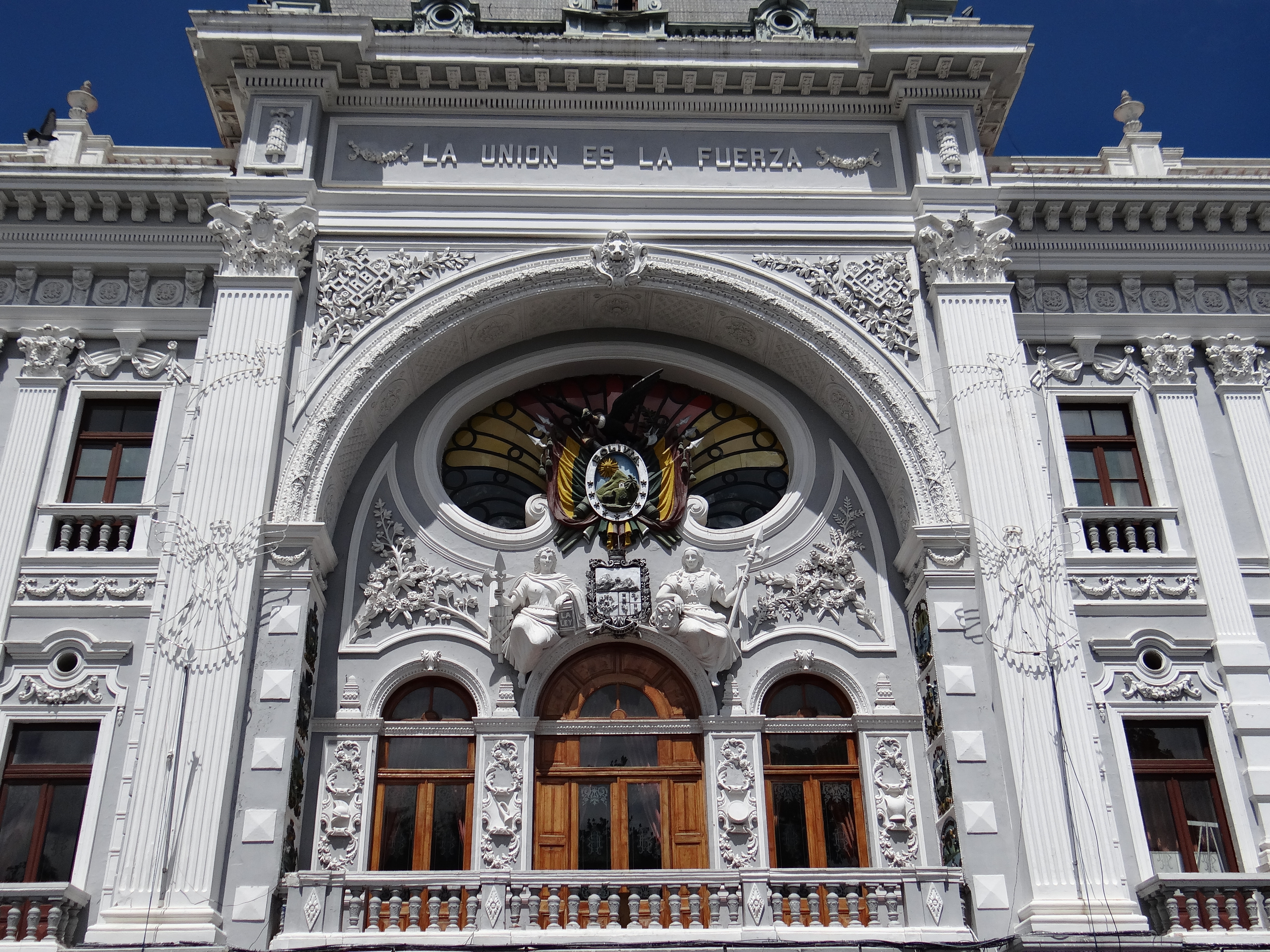
Blanca is the seat of the judiciary
White is once again the color of the university buildings and its churches… Such a display of light undoubtedly influences the good nature of its residents and, above all, its students; they’re probably not as combative as the sign at the entrance to the Student Union suggests.
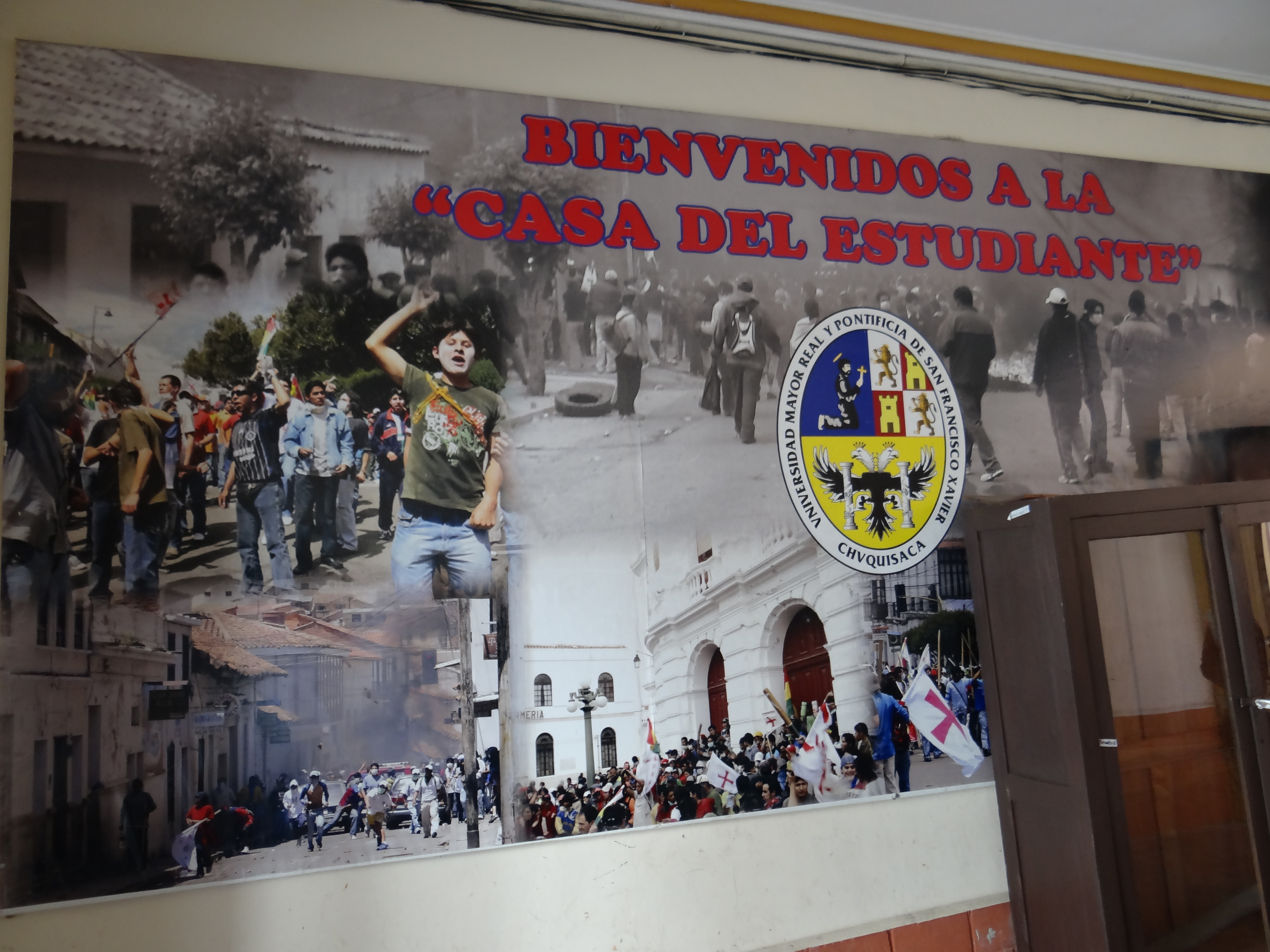
Actually, they're not aggressive at all ☺️
The Conquistadors founded the city in 1538, nestled between two nearby hills: Sica Sica and Churuquela
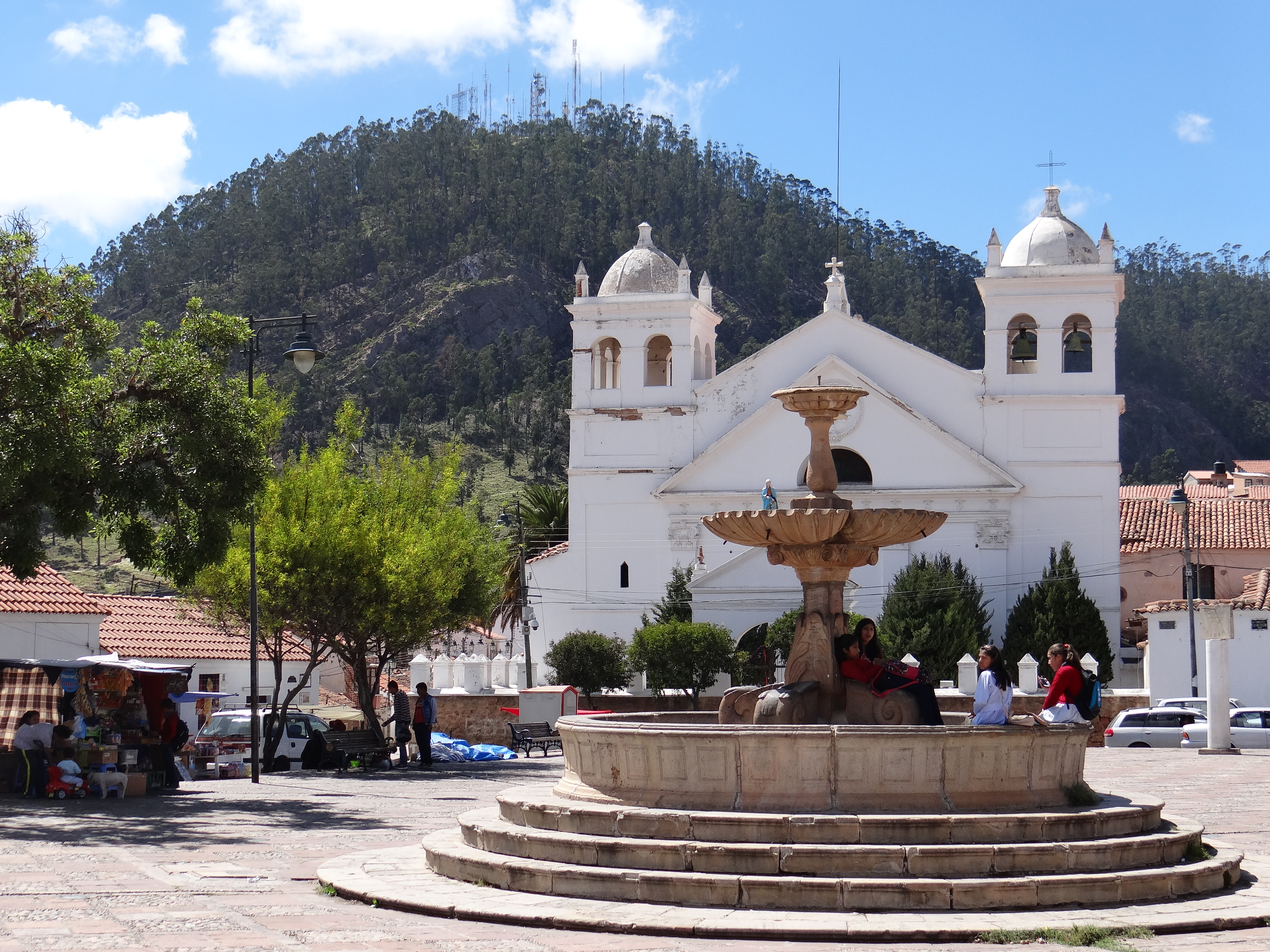
But it wasn’t mountaineering that led to the founding of the city so close to these hills; rather, it was a more prosaic reason… its former name offers a clue to its founders’ intentions: Villa de la Plata. Unfortunately for its founder, Pedro Anzures de Camporedondo, there was no silver in those hills. Tough luck. But since the climate is much milder here than on the Altiplano, the Spaniards decided to stay.
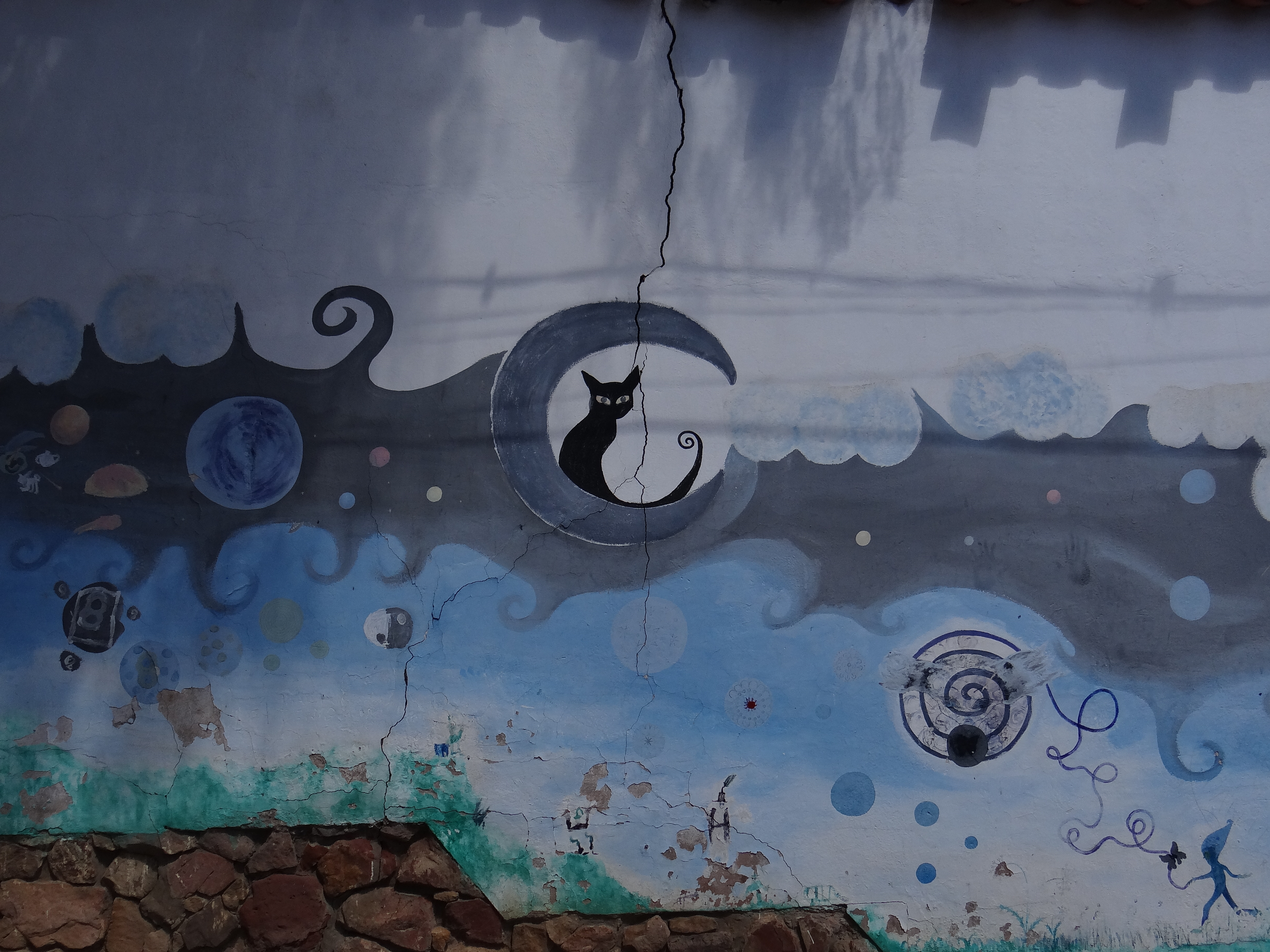
The neighborhood adjacent to this old main square (La Recoleta) is home to a strange legend—undoubtedly apocryphal. It is said that the women here did not marry and that, instead, they had many cats that, left to roam freely, populated the streets. Thus, we find streets named after black, brown, and white cats…
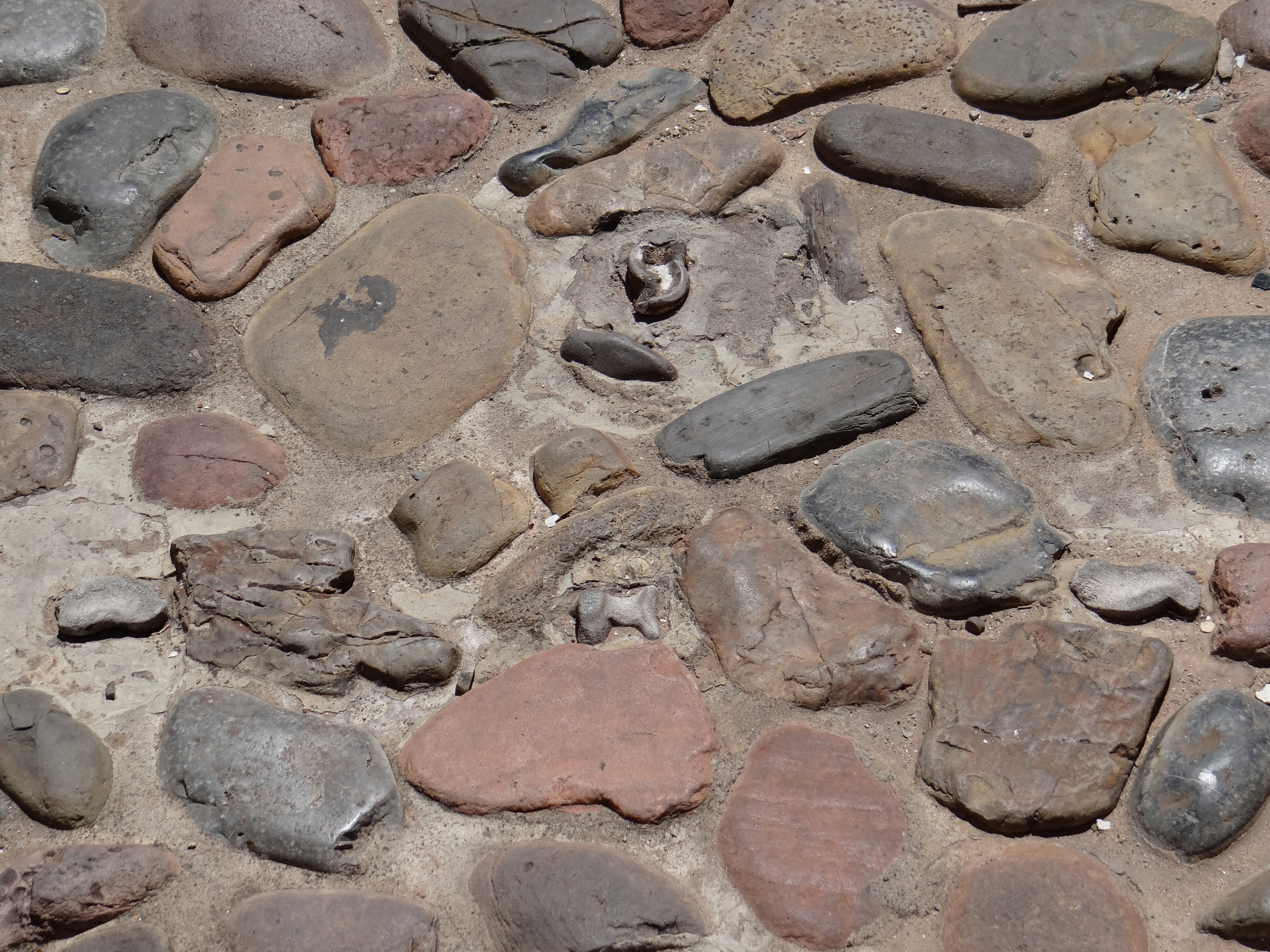
As we head south, we come across more legends, such as the one about Callejón de Santa Teresa (an extension of Potosí Street): every 15 meters, with mathematical precision, we see cow bones embedded among the stones… It is said that the alley was cursed and that the bones were used to scare away the evil spirits that plagued it.
And finally, we arrive at the heart of the city, which is also the heart of the country.
In the center of Plaza 25 de Mayo stands the Casa de la Libertad, a building constructed by the Jesuits that was originally a university. Later, after the Jesuits were expelled, the first constitution of the nascent Bolivian state was signed there.
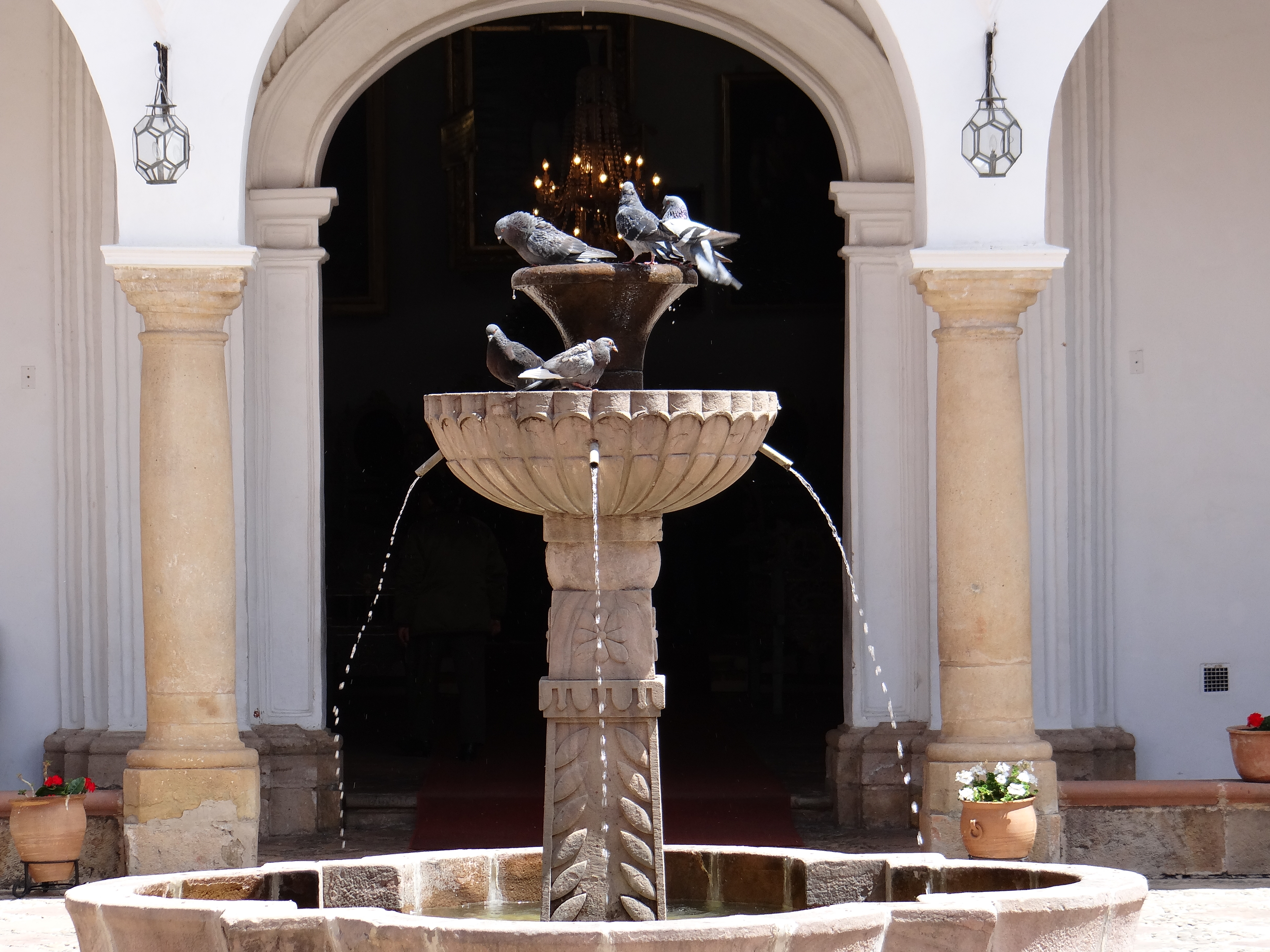
As incredible as it may seem, the combined efforts of traffic, the police, and some street sweepers (😳) prevented me from taking a photo of it, after I’d been waiting patiently for 20 minutes, so I had to settle for photographing the pigeons having a good time as they bathed in the fountain at the entrance.
Anyone who wants to enjoy a bit of greenery can head to Bolivar Park, where the French donated a strange miniature replica of the Eiffel Tower
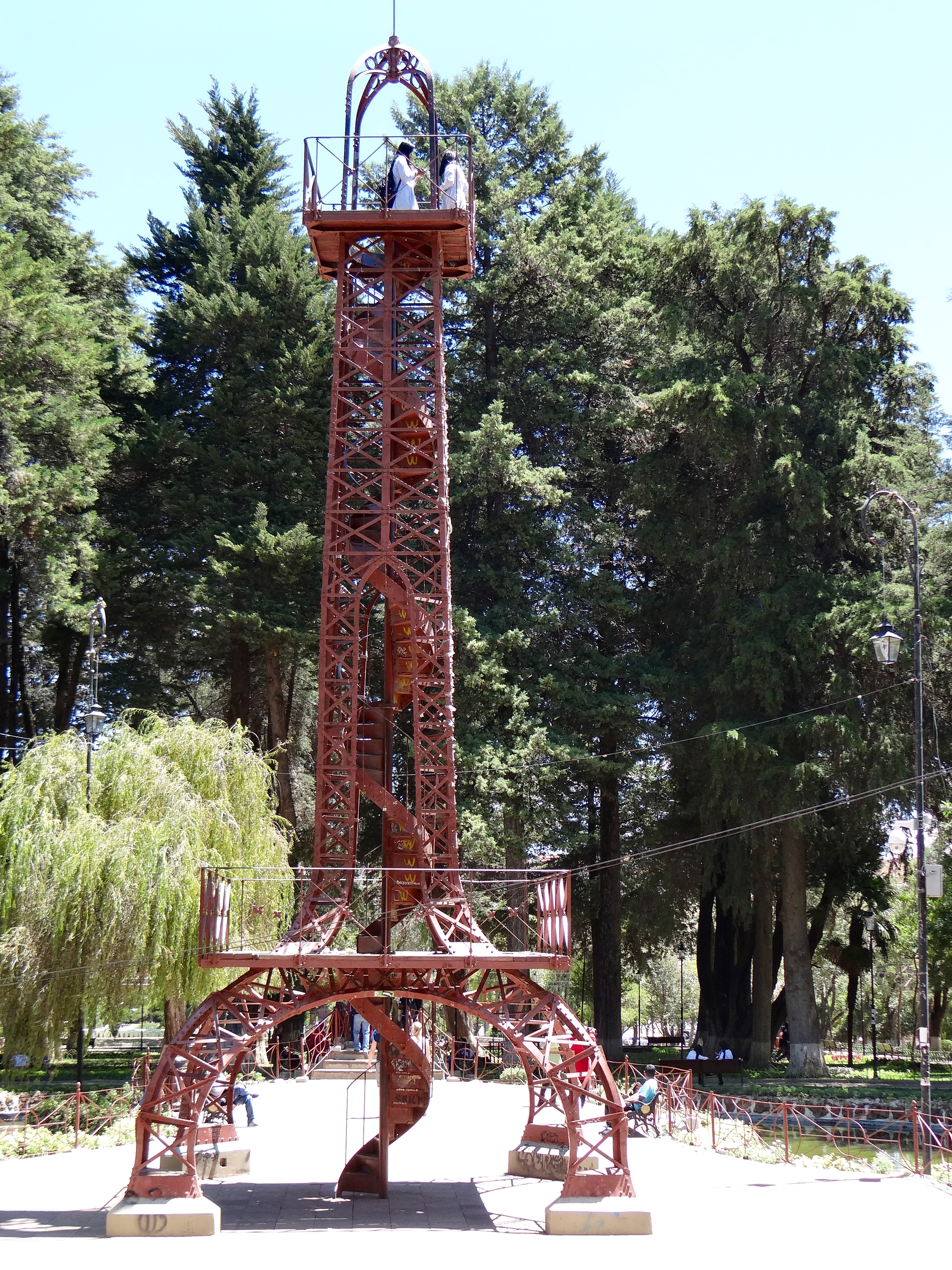
The best places to eat and go out are in the “cuadro”—the area between Plaza 25 de Mayo and Recoleta. You don’t have to pay more than 30 B$ for a set meal. For those on a tighter budget, head further north, near the park, where there are less touristy restaurants.
POTOSÍ
About 150 km from Sucre, there is a small hill.
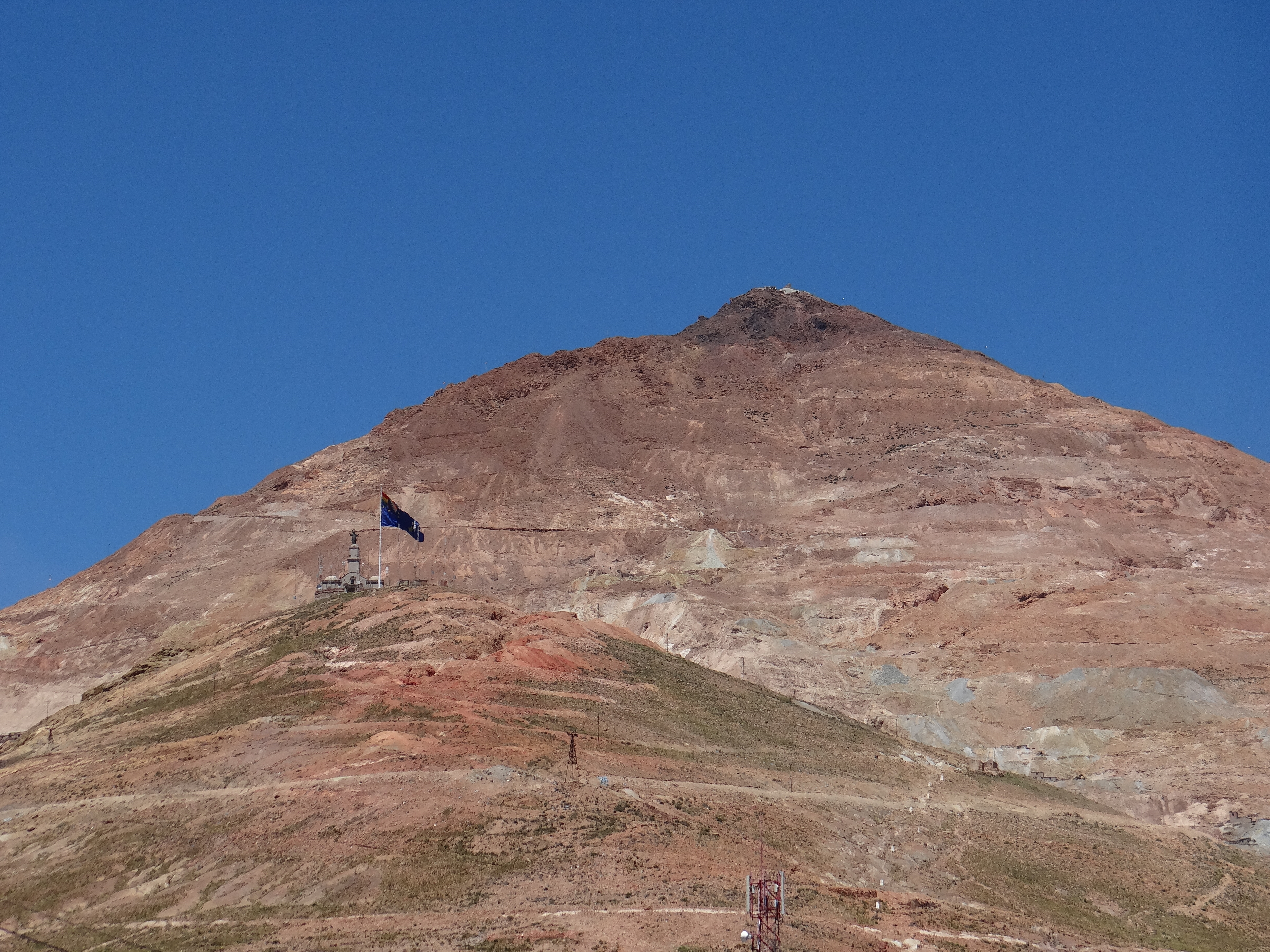
Despite its rugged appearance, the poor hill harbored a heart of gold… or rather, of silver. Tons of silver. This is Cerro Rico. The indigenous people knew of the silver’s existence, but to them it had no economic value… unlike for the Conquistadors, who arrived in 1545 and quickly began to mine the deposit.

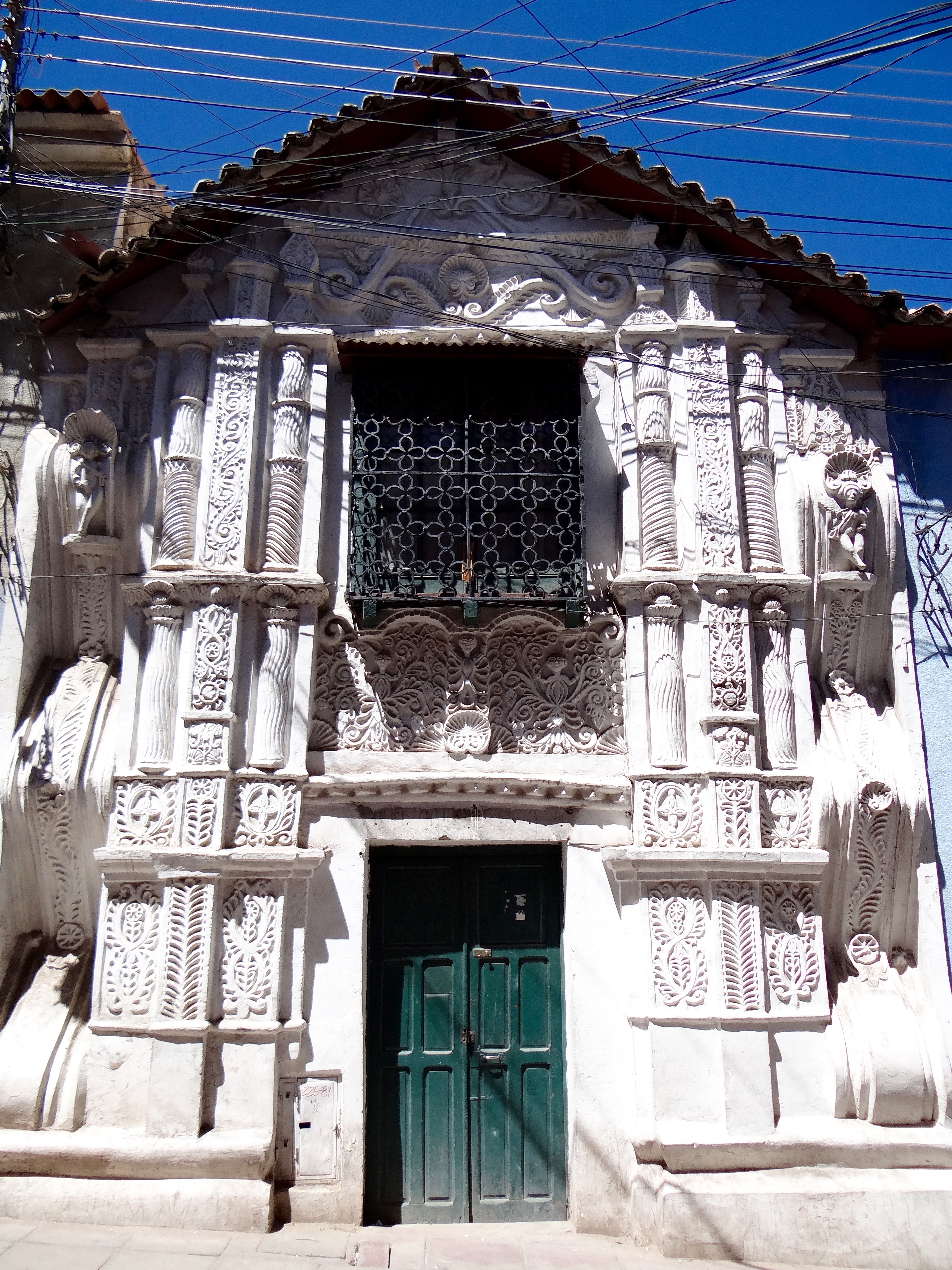
Potosí isn't your typical city full of monuments; rather, it's a city to wander through and discover its hidden gems, such as the Casa de las 3 Portadas.
There are two ways to visit the city: on your own or on a tour.
If you visit on your own, you’ll save the 70 B$ they’ll try to rip you off for the tour, although the downside is that there’s no information whatsoever about the buildings you’ll come across, and their visiting hours—for the churches—are pretty arbitrary. To top it all off, the Tourist Office located in the Tower of the Society of Jesus is more of a “misinformation office” than anything else 😶 (“Just book a tour…”). By the way, you can go up the tower for 10 B$, but the view isn’t worth it….
The city’s top attraction is the Mint. Taking advantage of this, they charge foreigners 40 B$ (an outrageous amount for Bolivia) and… another 20 just to let you take pictures!
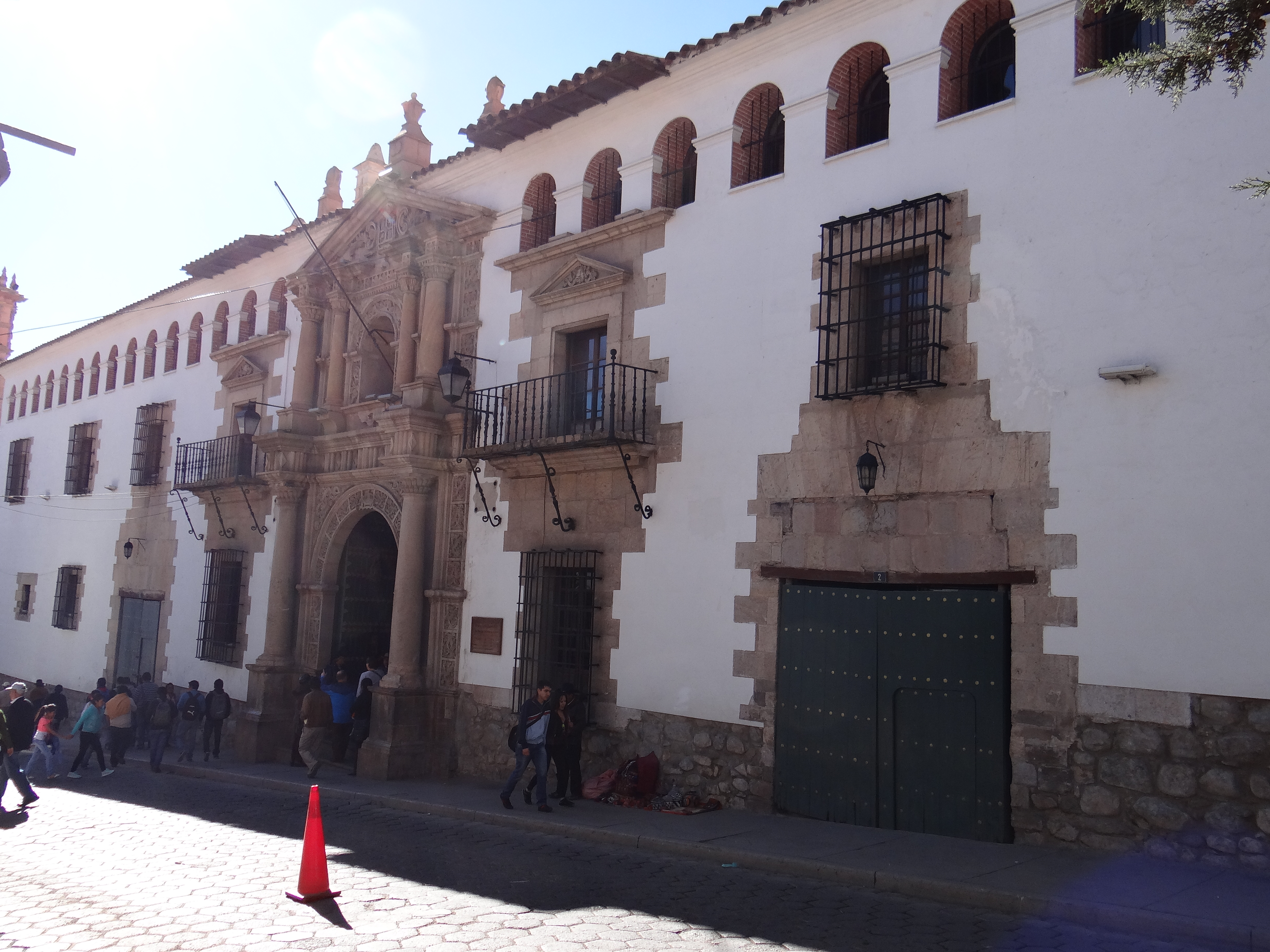
They take you on a guided tour that’s perfect, showing you the old machines they used to mint coins. Even at the risk of angering the Bolivian authorities, I was actually able to take a few photos of the massive mule-powered machines that transformed silver into ingots, which were then cut into coins.
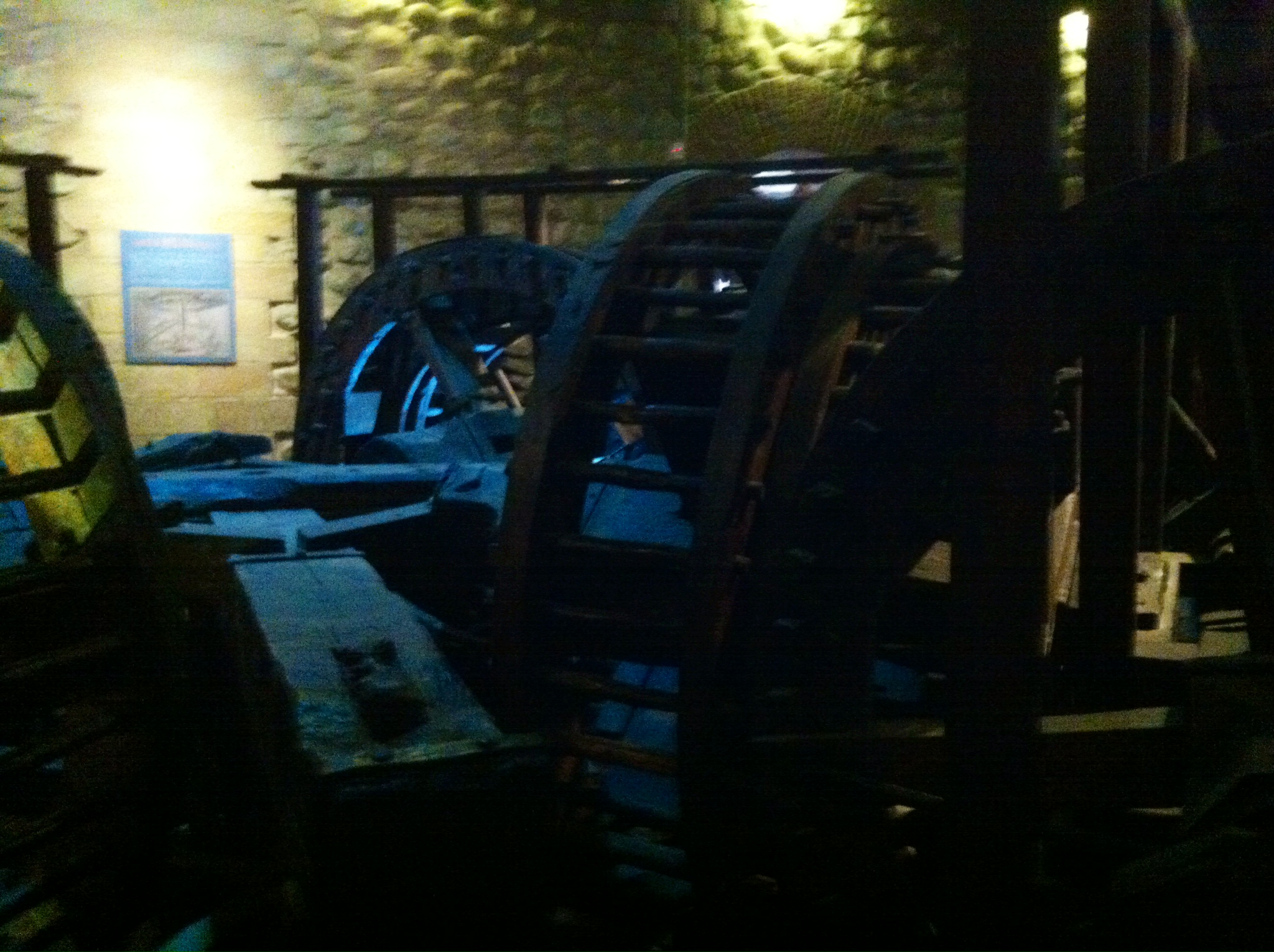
If you decide to take a city tour, they'll show you the ingenios, the machines where miners deposited the metal extracted from the mountain, from which the silver was separated from the slag. The best-preserved one is inside the San Marcos Restaurant, among the tables, 😮 but they won’t explain anything to you if you go on your own (“book the tour…”).
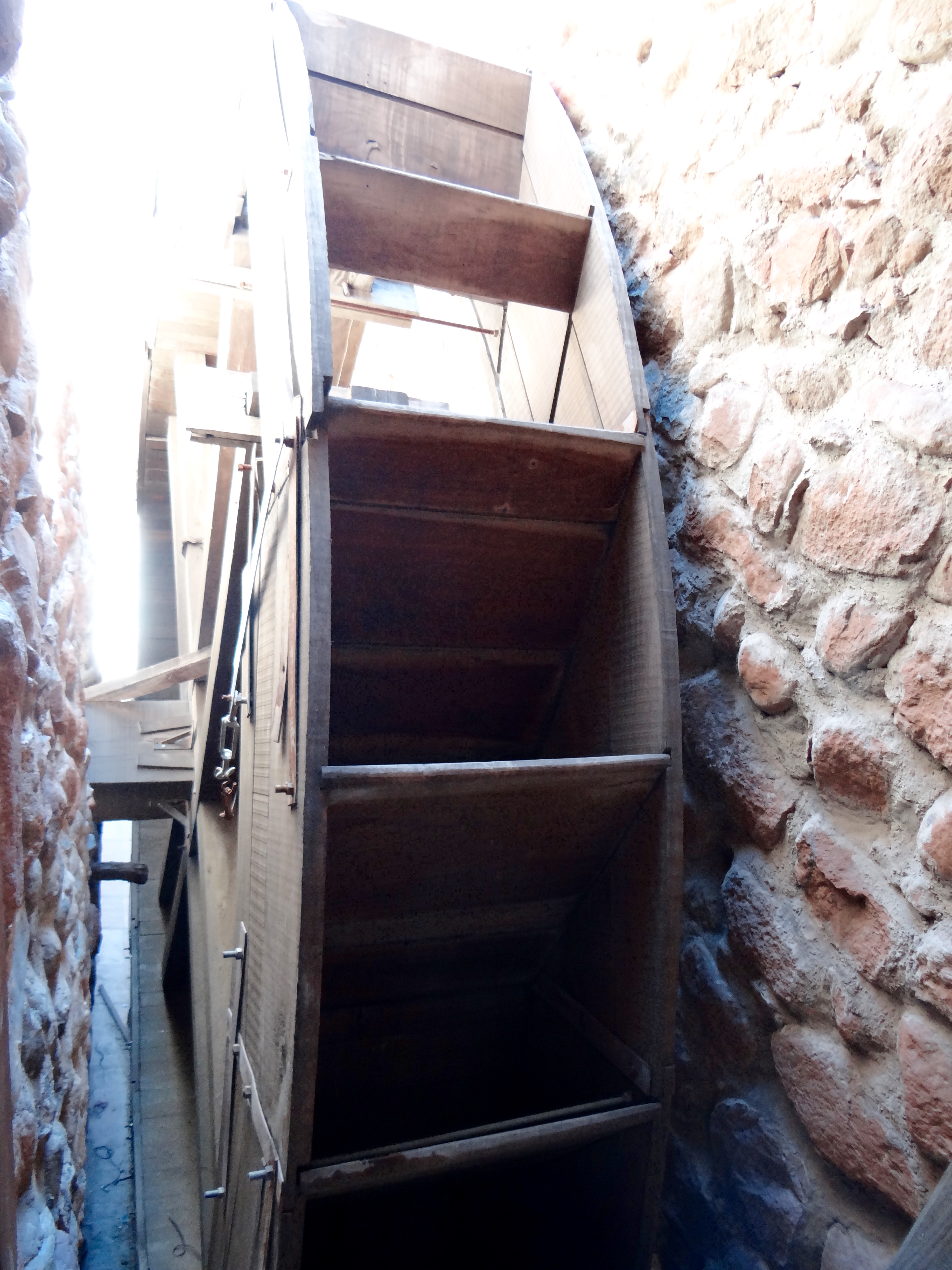
For more information: http://www.casanacionaldemoneda.org.bo
Well, that's what my whirlwind visit to both cities was like… next stop, the Salar de Uyuni… and if you want to know more about Bolivia:
https://999millas.net/category/paises/bolivia/
If you found this post useful (or think it's useless), let me know in the comments!
Texto y fotos : Mike !
 EN
EN  ES
ES