
Tunja and Leyva: A Spanish Part of Colombia
Visiting Tunja and Leyva from Bogotá seems like a good idea if you're there and have a free weekend. The distances are manageable, and the route is very safe.
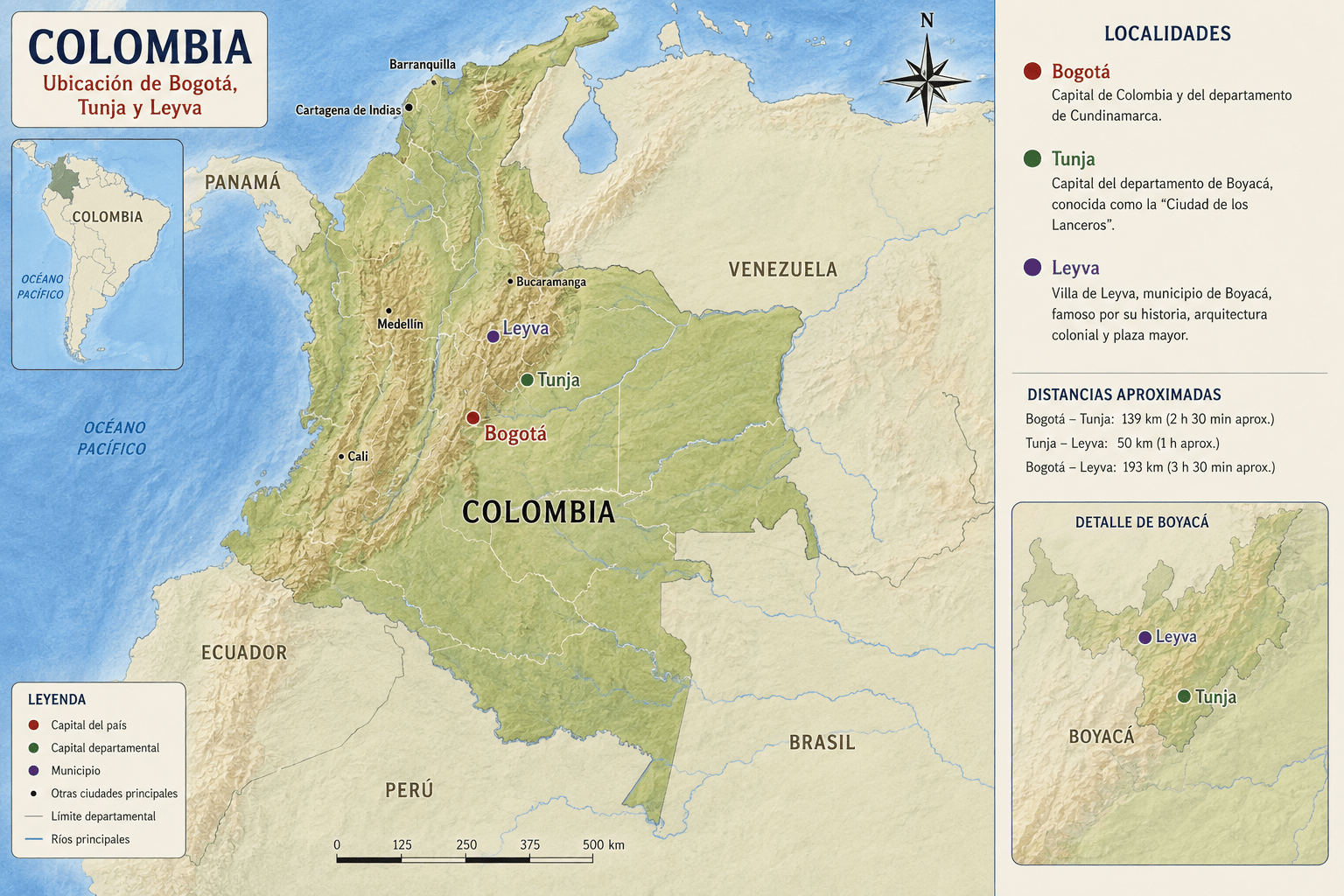
In 2016, when I was there, there was a significant military presence on the highway between Bogotá and Tunja: at the two or three bridges we crossed, there was a group of soldiers who gave us a thumbs-up as we passed. This was part of a Colombian government campaign aimed at conveying the message that the military looks out for its citizens. Drivers are supposed to respond by giving a thumbs-up or honking their horn. Translated with DeepL.com (free version)
The police presence in Tunja was massive, almost excessive… During the day it’s discreet, but at night they were practically on every corner in the city center. I had the brilliant idea of taking a photo of the police station—a really cool colonial building—when a police officer who looked like a walking wardrobe reminded me that “Colombia is a country in conflict” (but hadn’t they signed a truce with the FARC?) and kindly asked me to delete the photos. It took me 0.5 seconds to delete them, of course….
TUNJA: WHAT TO SEE
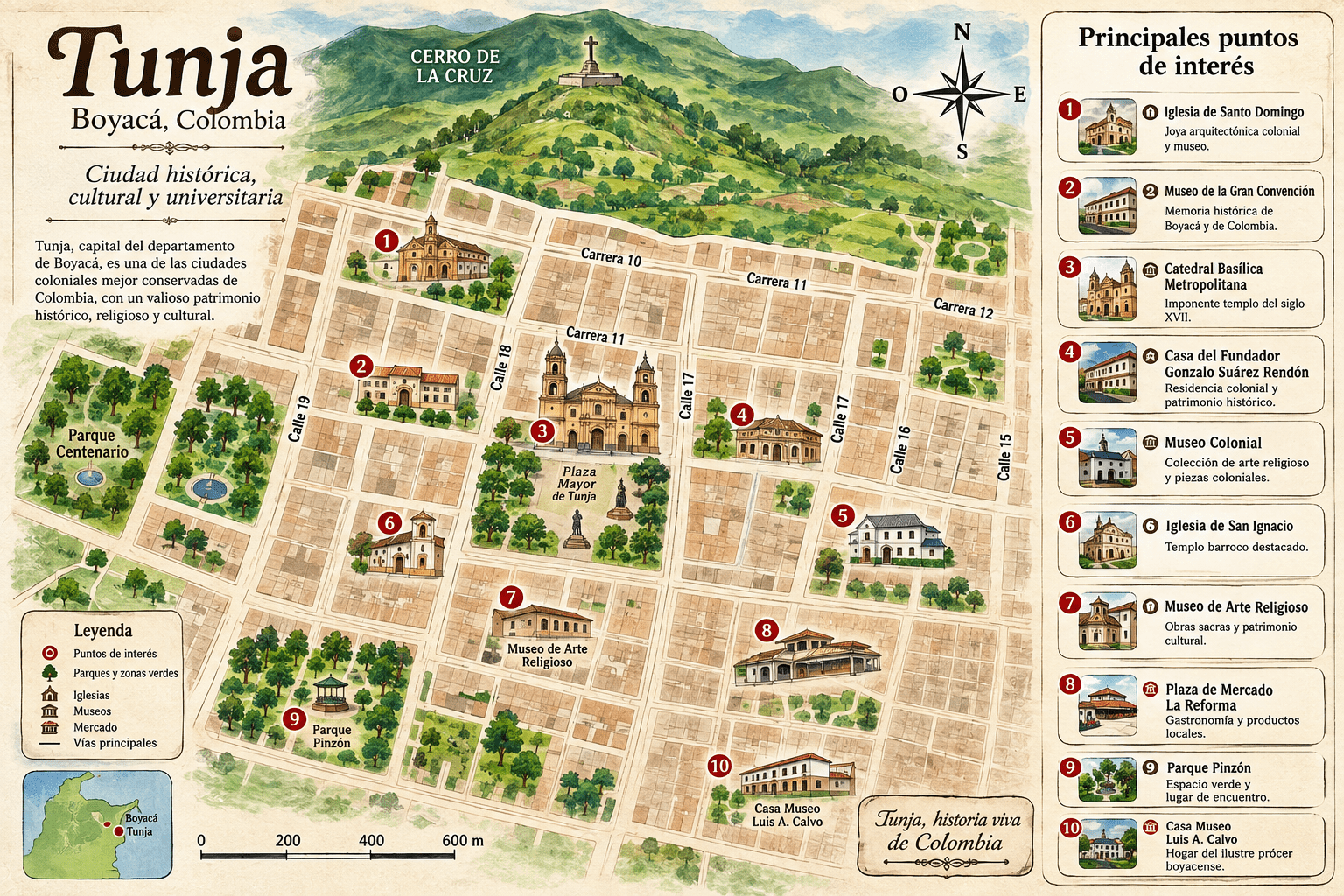
What is the origin of the town we are discussing today? The original settlement was called Hunza (or Chunsa). It was the seat of government and the capital of the Cacicato of the Zaques (the indigenous people who inhabited these lands before the arrival of the conquistadors). On August 6, 1539, Spanish Captain Gonzalo Suárez Rendón formally founded the city under the name Tunja (undoubtedly the “Spanish version” of its original name)
You can easily see all the sights in a single afternoon
Juan de Vargas House
A distinguished visitor arrives in Tunja. He is the newly appointed notary for Charles V in the region, having purchased the position in exchange for a generous sum of money. As one might expect, he buys a property right next to the Plaza Mayor. We are talking about Juan de Vargas.
It's the best-preserved colonial house I've ever seen, with lots of original features and ceilings that look as if they were painted just yesterday. They're not supposed to let you take pictures, but thanks to my personal charm, I managed to get them to let me take a few 😊
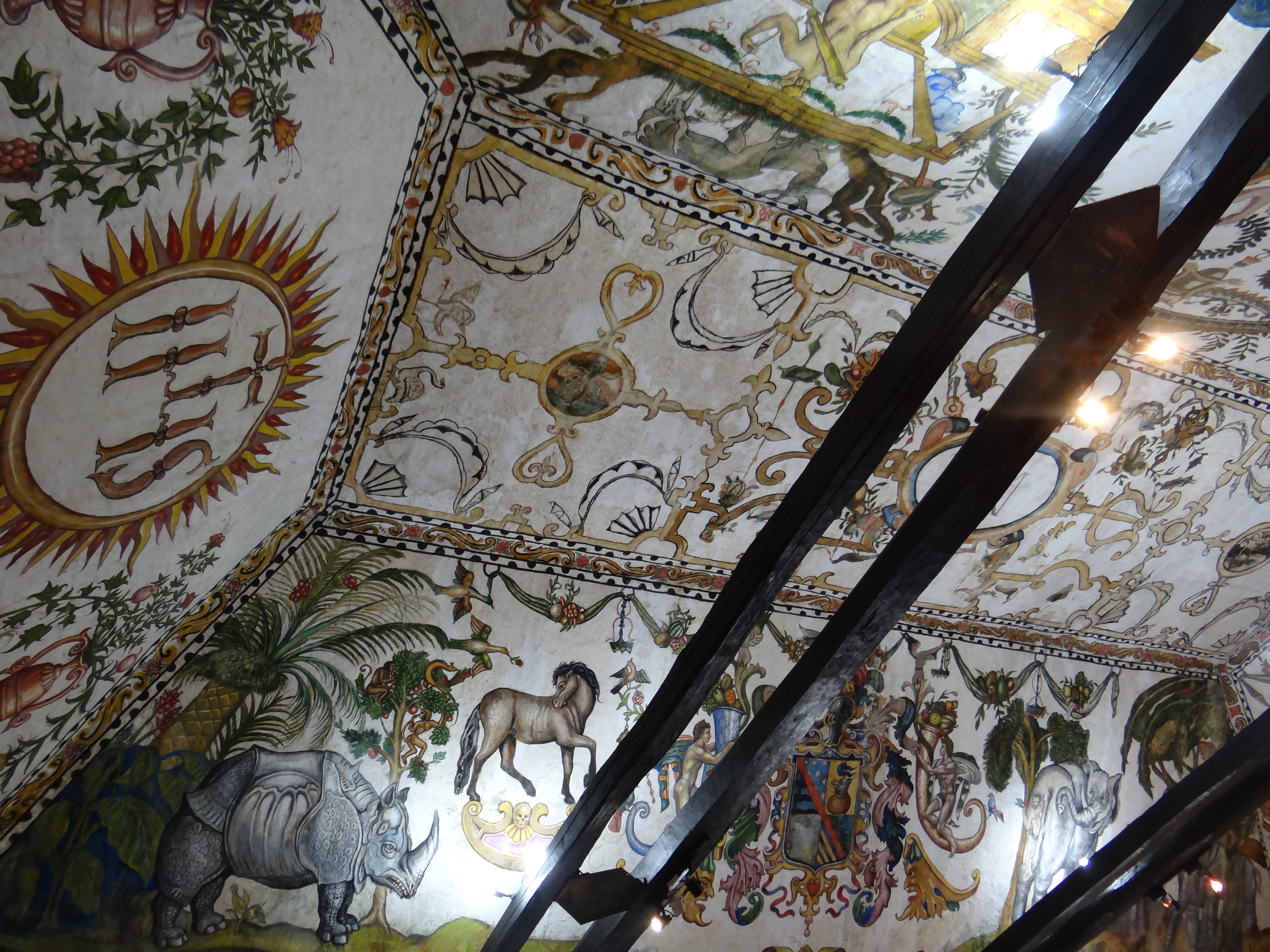
They give you a very informative tour for 3,000 COP, which is well worth it.
Rosary Chapel of the Church of Santo Domingo
A hidden gem that's not widely publicized—the entire church is this baroque, but the chapel takes the cake.

Bolivar Square
The town's Plaza Mayor, where the cathedral and the town's main buildings are located. Anyone from Toledo will be surprised to see the imperial double-headed eagle—as big as a bus—right in the middle of the Plaza Mayor.
For anyone who wants to learn more about Tunja: https://www.tunjaculturayturismo.gov.co
LEYVA
An hour from Tunja by taking a buseta From the bus terminal, you can reach this small colonial town.
Se levantó por orden de Andrés Diaz Venero de Leyva, primer presidente del Nuevo Reino de Granada, así que el pueblo se quedó con su nombre. Su creación sirvió para dar tierras a los soldados españoles desempleados tras la Conquista, y para funcionar como una despensa agrícola que abasteciera a las poblaciones vecinas como Tunja.
Leyva is very small, and you can easily explore the whole town in an afternoon, so you can spend the night here or in Tunja; these are the main points of interest:
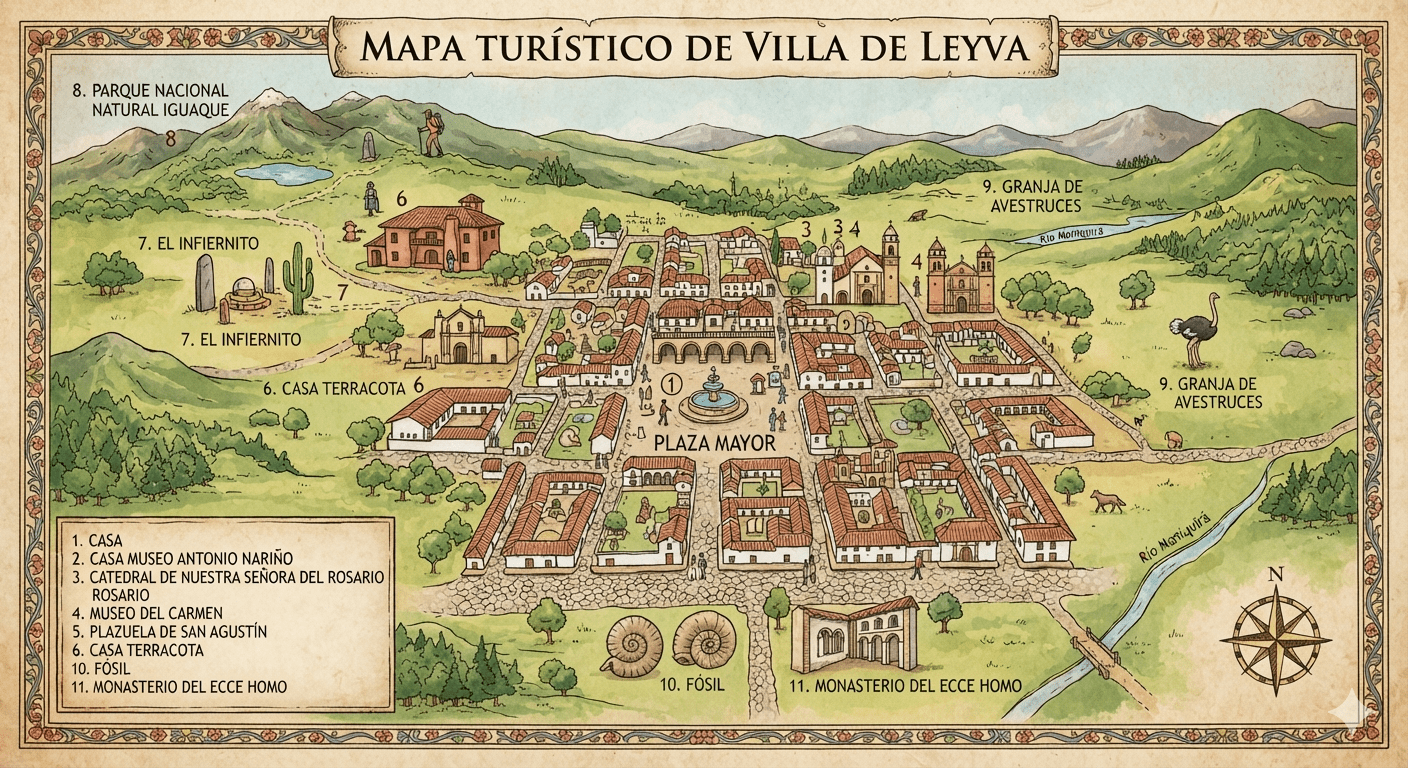
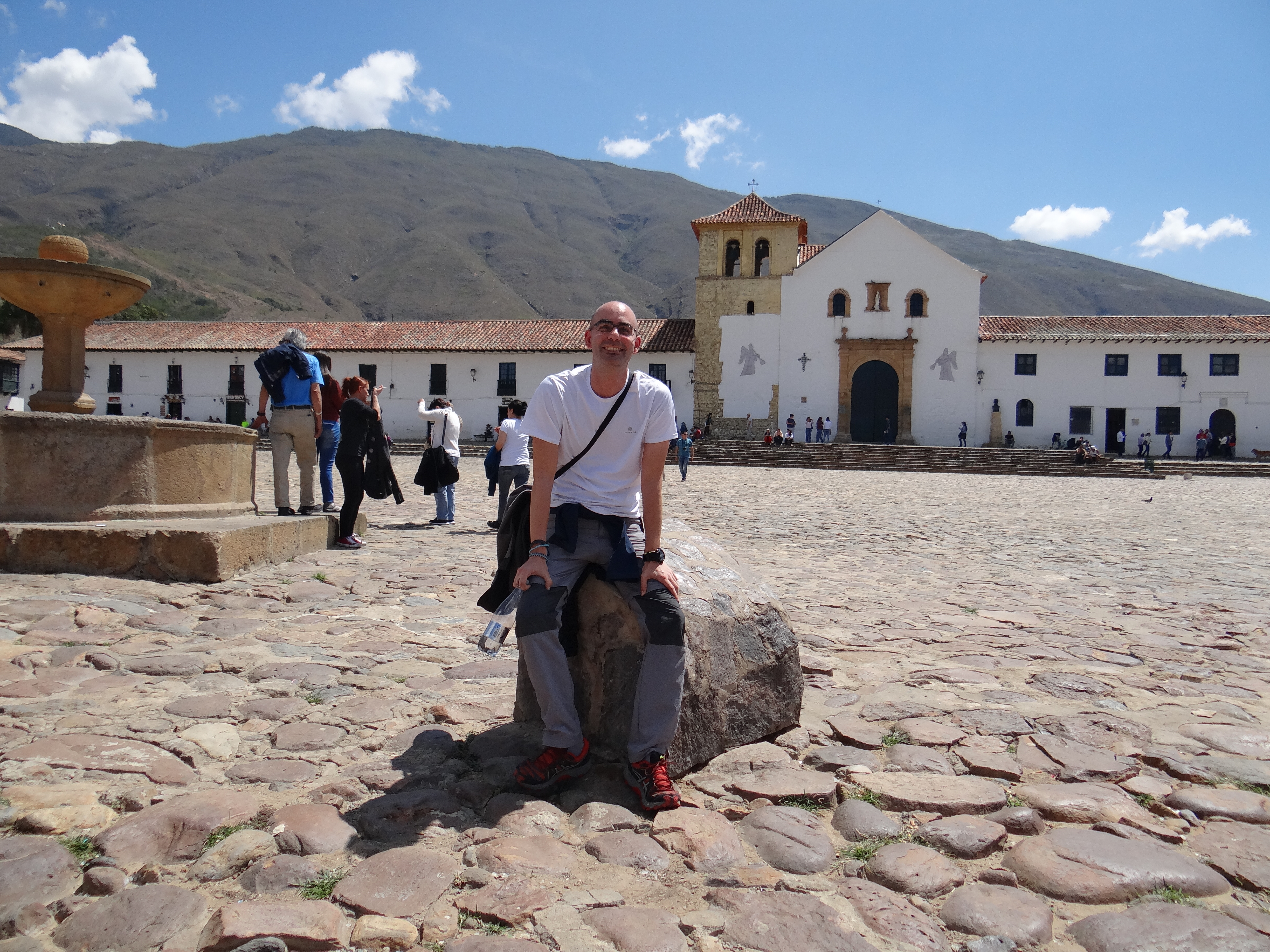
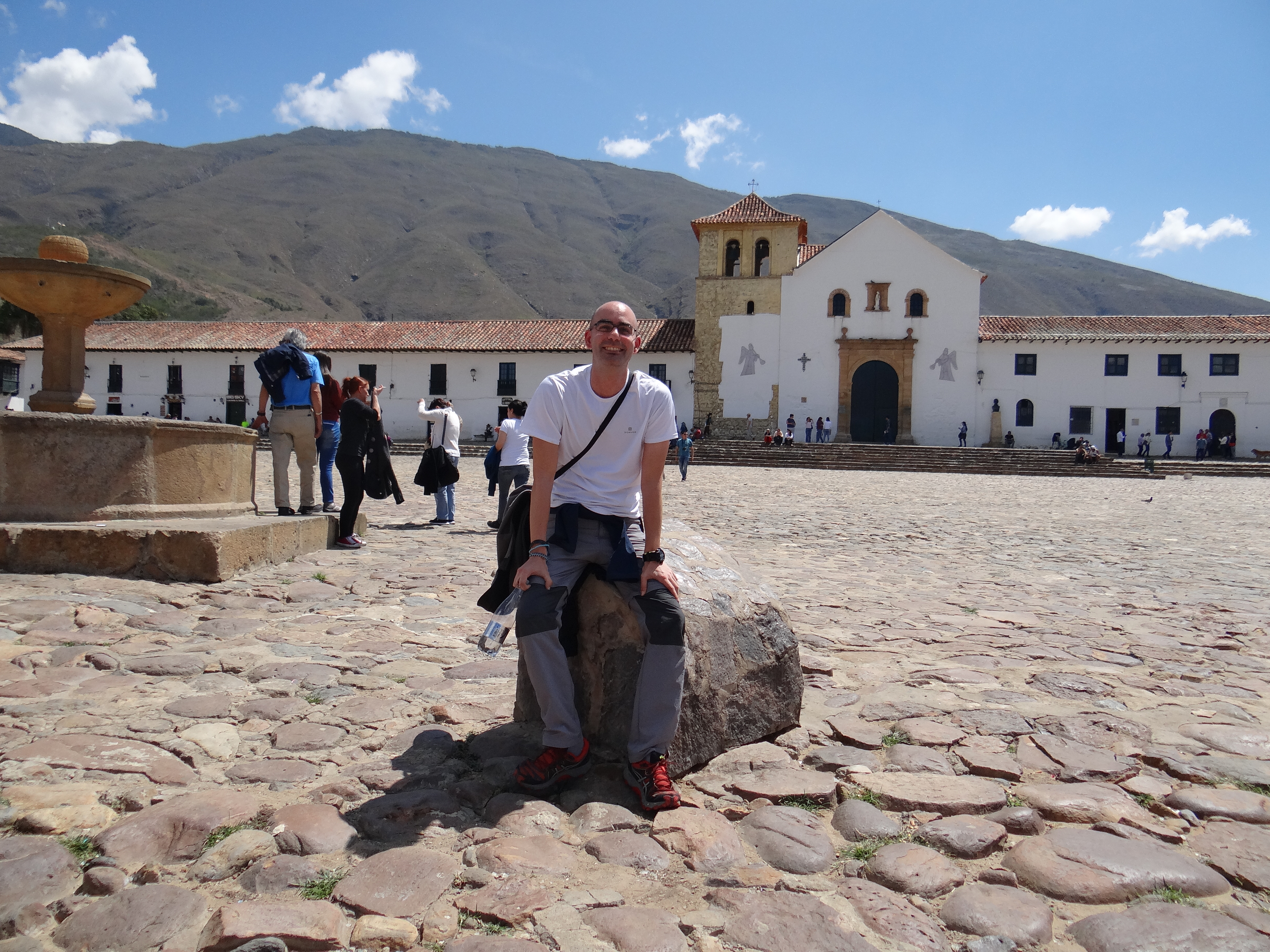
Leyva's main (and largest) attraction is its enormous Plaza Mayor (the largest in Colombia, at 14,000 square meters), with its cobblestone pavement and buildings that are entirely original from the colonial era.
Like all the main squares built by the Conquistadors in South America, the original design called for a vast, open space with a well (in this case, the Mudejar fountain you see to my left in the photo) that provided access to water for purely military purposes: In the event of an indigenous rebellion or an attack from outside, a wide, open space allowed the Spanish cavalry to maneuver unimpeded and provided a clear line of sight for the arquebusiers. Later, once the Conquest was established and peace set in, the Plaza Mayor served as a venue for public markets, religious processions, bullfights, civil executions, and celebrations of the Crown.
Y por último (y la de Leyva no es una excepción) todas estas Plazas Mayores reunían los principales Poderes/Edificios de la España colonial: Allí se concentraban la Iglesia (Catedral), el Poder Político (Palacio de Gobierno o del Virrey) y el Poder Civil (Cabildo o Ayuntamiento).
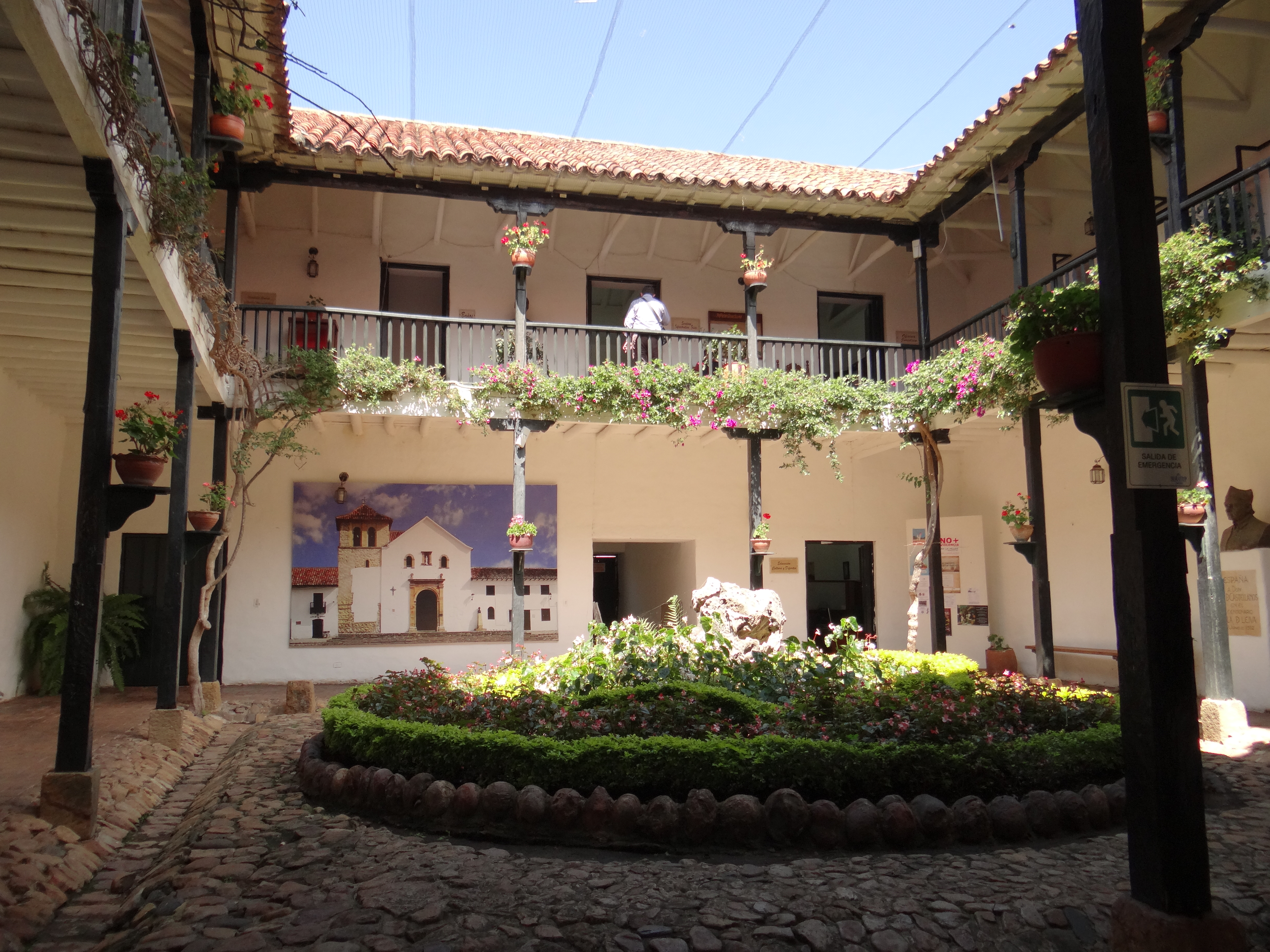
Take a stroll through City Hall and two other perfectly preserved colonial houses: Casa Juan de Castellanos and Casona La Guasca, respectively (which are now home to shops)
Then you can take your first stroll outside the Plaza Mayor and feel as if time has stood still in Leyva: sun-drenched two-story houses, flower-filled balconies, craft shops… everything you could imagine in a place like this.
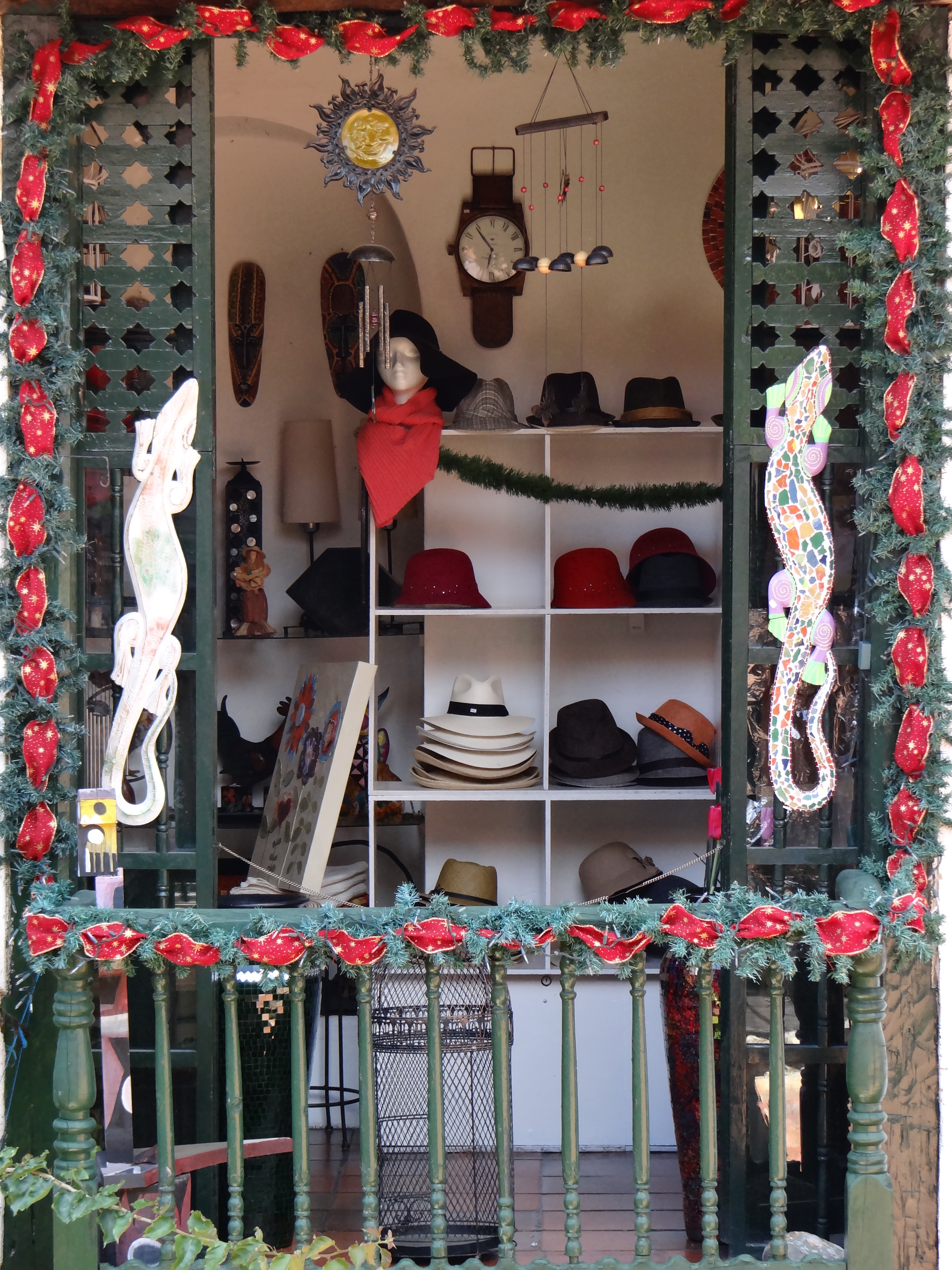
If you’re looking to buy some unique local jewelry, you can head to the Convent of the Discalced Carmelites on Plazuela del Carmen: through a turnstile, the cloistered nuns there offer all kinds of bracelets, necklaces, rosaries… all handmade.
Well, if you want to know more: https://www.villadeleyva-boyaca.gov.co/Paginas/Inicio.aspx
Well, that's all. I hope you liked it... and whether you did or didn't, let me know by leaving a comment!!
And if you want to know more about Colombia: https://999millas.net/category/paises/colombia/
Texto y fotos : Mike ¡
 EN
EN  ES
ES